

Is ZYN bad for you? The short answer: ZYN is significantly less harmful than smoking or vaping, but it is not risk-free. ZYN pouches deliver nicotine — an addictive stimulant — without tobacco, combustion, or lung exposure. What remains is a product that carries real but substantially lower risks: nicotine dependence, mild cardiovascular effects, and potential gum irritation with heavy long-term use.
Key Takeaways
- ZYN contains zero tobacco — no tobacco leaf, no TSNAs, no combustion products
- Nicotine is still present and addictive — ZYN is not safe, but it is a significantly reduced-risk product
- No lung exposure — nicotine absorbed through the gum, eliminating respiratory risks
- The FDA authorized ZYN for marketing in the US in January 2025, recognizing its reduced-risk profile vs. cigarettes
- Gum irritation is the most common reported side effect — manageable with correct usage
- ZYN is not recommended for non-users, pregnant women, people with heart conditions, or anyone under 18
What Exactly Is in ZYN?
ZYN pouches contain pharmaceutical-grade nicotine salt, plant-based fiber filler (microcrystalline cellulose), pH adjusters (sodium bicarbonate and sodium carbonate), non-caloric sweeteners (acesulfame K, sucralose), and food-grade flavorings. There is no tobacco leaf in any ZYN product. The absence of tobacco is significant — traditional smokeless tobacco contains TSNAs (tobacco-specific nitrosamines), compounds directly linked to oral and esophageal cancers. ZYN's tobacco-free formulation means these are absent by design.


Is ZYN Bad for Your Health? What the Science Says
Nicotine Dependence — Real Risk
ZYN delivers nicotine — and nicotine is addictive regardless of how it's delivered. Regular use will create dependence in most users. Withdrawal symptoms when stopping include irritability, anxiety, difficulty concentrating, and cravings. These apply to all nicotine products including patches and gum.
Cardiovascular Effects — Mild and Temporary
Nicotine temporarily raises heart rate and blood pressure — typically 5–10 mmHg systolic and 10–15 bpm within minutes of use, resolving within 30–60 minutes. For healthy adults this transient response is not considered clinically significant. For people with pre-existing heart conditions, any nicotine product should be used under medical supervision.
Oral Health — Monitor but Manageable
The most commonly reported physical side effect of ZYN is gum irritation at the placement site. Studies on tobacco-free nicotine pouches published between 2022 and 2024 found mild gingival changes in heavy daily users, but no evidence of the progressive gum recession seen with smokeless tobacco. Fix: rotate placement sites, limit sessions to 30–40 minutes, and maintain regular dental checkups.
Cancer Risk — Dramatically Lower Than Tobacco
Traditional smokeless tobacco is a Group 1 carcinogen. ZYN contains none of the tobacco-derived carcinogens responsible for this classification. Long-term cancer studies on tobacco-free pouches are still ongoing, but the absence of TSNAs means the carcinogenic risk profile looks fundamentally different from tobacco products.
ZYN vs. Cigarettes vs. Vaping
| Health Factor | ZYN | Vaping | Cigarettes |
|---|---|---|---|
| Lung exposure | None | Direct aerosol inhalation | Combustion smoke |
| Tobacco content | Zero | None | Yes — burned tobacco |
| TSNAs (carcinogens) | Not detected | Not present | High concentration |
| Cancer risk | Likely much lower | Under investigation | Established Group 1 carcinogen |
| Oral health risk | Mild gum irritation possible | Dry mouth | Severe — gum disease, tooth loss |
| Addiction risk | Yes — nicotine | Yes — often higher mg | Yes — highest addiction rate |
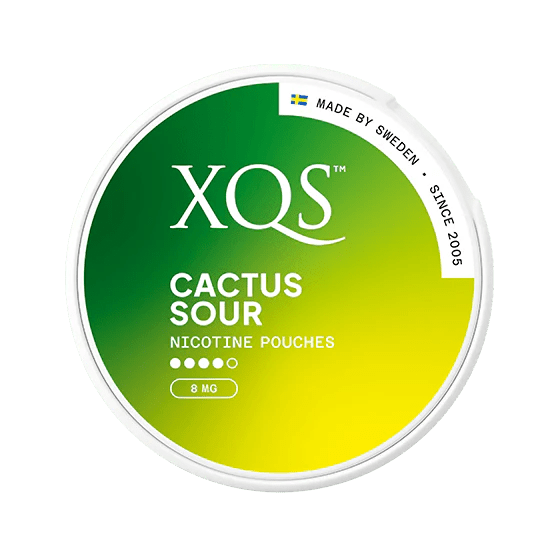
ZYN Alternatives at The Snus Outlet
All brands below are tobacco-free and carry the same reduced-risk profile vs. smoking:


Frequently Asked Questions
Is ZYN bad for you?
ZYN is not safe, but significantly less harmful than cigarettes and vaping. It contains no tobacco, no combustion products, and no carcinogenic TSNAs. The primary risks are nicotine dependence and mild gum irritation. The FDA authorized ZYN for marketing in January 2025 recognizing its reduced-risk profile.
Is ZYN bad for your gums?
Heavy daily ZYN use can cause mild gum irritation. Rotating placement sides and limiting sessions to 30–40 minutes significantly reduces this risk.
Is ZYN addictive?
Yes. ZYN delivers nicotine, which is addictive regardless of delivery method. Regular use will create dependence in most users.
Can ZYN cause cancer?
Current evidence does not link ZYN to cancer. ZYN contains no tobacco-specific nitrosamines — the carcinogens responsible for oral cancers in smokeless tobacco users. Long-term studies are still ongoing.
Is ZYN safer than smoking?
Yes — significantly. Cigarettes involve combustion producing 70+ known carcinogens. ZYN involves none of these.
Is ZYN safer than vaping?
From a respiratory perspective, yes. Vaping involves inhaling aerosol that can contain heavy metals and volatile organic compounds. ZYN involves no inhalation at all — zero lung exposure.
Final Thoughts
ZYN is not a healthy product — no nicotine product is. But compared to cigarettes and vaping, its risk profile is substantially lower. For current smokers or vapers, ZYN represents a meaningful harm reduction step. For non-users, it's a step in the wrong direction.

Share:
Extra Strong Nicotine Pouches in the USA: How Americans Get 15–50 mg Pouches (2026)
Does ZYN Cause Cancer? What the Science Actually Says in 2026