

Does ZYN cause cancer? Based on current evidence: no, ZYN does not appear to cause cancer. This is not a marketing claim — it is what the science shows when you look at what ZYN actually contains versus what causes cancer in traditional tobacco and snus products. The distinction is critical, and this guide explains it clearly.
Key Takeaways
- ZYN contains no tobacco leaf — and therefore none of the tobacco-specific carcinogens (TSNAs) that cause cancer in snus and cigarette users
- No long-term cancer studies exist yet — ZYN is too new for 20-year epidemiological data
- Short-term chemical analysis shows ZYN contains dramatically fewer harmful compounds than any tobacco product
- The FDA authorized ZYN as a reduced-risk product in January 2025, supporting its significantly lower harm profile
- Nicotine itself is not directly carcinogenic — it is the tobacco-derived compounds that drive cancer risk in tobacco products
Why Tobacco Causes Cancer — and Why ZYN Is Different
Traditional snus and smokeless tobacco cause cancer primarily through tobacco-specific nitrosamines (TSNAs) — a family of highly carcinogenic compounds formed during the curing, fermentation, and ageing of tobacco leaf. The most dangerous, NNN and NNK, are classified as Group 1 carcinogens by the IARC. They are directly linked to oral, esophageal, pancreatic, and lung cancers.
ZYN contains no tobacco leaf. Independent chemical analyses of ZYN pouches have found TSNAs either absent or at levels far below any detectable harm threshold. Without tobacco leaf, the primary cancer pathway simply does not exist in ZYN.


What Chemicals Does ZYN Actually Contain?
ZYN pouches contain: pharmaceutical-grade nicotine salt, microcrystalline cellulose, hydroxypropyl cellulose, sodium carbonate and sodium bicarbonate, acesulfame K and sucralose, and food-grade flavorings. Every ingredient is either a standard pharmaceutical or food-grade compound. None are classified as carcinogens. A peer-reviewed study published in Chemical Research in Toxicology found TSNA levels in ZYN orders of magnitude lower than in smokeless tobacco — in most cases below the limit of quantification.
What the FDA Says
In January 2025, the FDA granted marketing authorization for ZYN Cool Mint and ZYN Spearmint under the Modified Risk Tobacco Product pathway. In June 2026, the FDA issued further Modified Risk Orders allowing ZYN to market that using it instead of cigarettes lowers the risk of mouth cancer, heart disease, lung cancer, stroke, emphysema and chronic bronchitis. This explicitly supports a reduced cancer risk profile compared to combusted tobacco.
ZYN vs. Snus vs. Cigarettes: Cancer Risk Comparison
| Product | Contains Tobacco | TSNAs Present | IARC Cancer Classification |
|---|---|---|---|
| Cigarettes | Yes — burned | High | Group 1 — causes cancer |
| Snus | Yes — fermented | Medium-high | Group 1 — causes cancer |
| ZYN (nicotine pouch) | No | Not detected / trace | Not classified |
Alternatives to ZYN — All Tobacco-Free
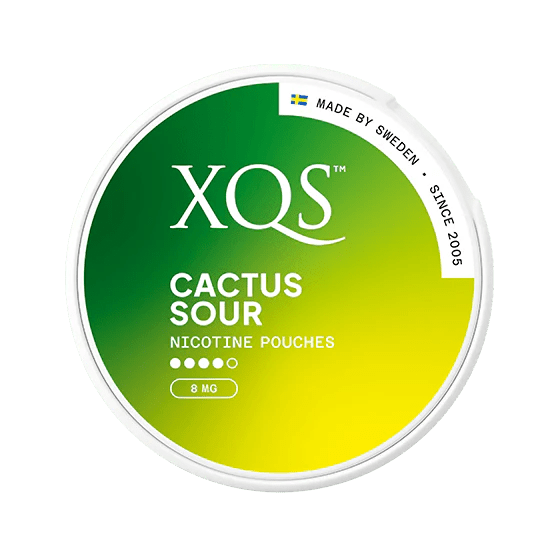
Every nicotine pouch brand at The Snus Outlet is tobacco-free. They all share ZYN's key advantage over snus and cigarettes — no tobacco leaf, no TSNAs, no combustion products.


Frequently Asked Questions
Does ZYN cause cancer?
Based on current evidence, no. ZYN contains no tobacco leaf and no TSNAs — the primary carcinogens in snus and smokeless tobacco. No long-term cancer studies exist yet, but chemical analysis and the FDA's 2025 authorization both support a significantly lower risk profile.
Is ZYN safer than snus for cancer risk?
Yes — significantly. Snus contains TSNAs linked to oral and esophageal cancers. ZYN's tobacco-free formulation eliminates these carcinogens entirely.
Does nicotine itself cause cancer?
Nicotine is not classified as a carcinogen. The cancer risk in tobacco products comes from tobacco-derived compounds — not nicotine itself.
What did the FDA say about ZYN and cancer?
The FDA authorized ZYN for marketing as a modified risk product in January 2025, and in June 2026 allowed ZYN to claim it reduces the risk of mouth cancer, heart disease, lung cancer, stroke, emphysema and chronic bronchitis vs. cigarettes.
Final Thoughts
ZYN is fundamentally different from tobacco products in its carcinogenic potential. The absence of tobacco leaf removes the primary cancer pathway that makes snus and smokeless tobacco Group 1 carcinogens. For smokers switching to ZYN, the cancer risk reduction is meaningful and documented.
Share:
Is ZYN Bad for You? The Honest 2026 Health Guide
ZYN Near Me: Why Buying ZYN Online Beats Local Stores in 2026