
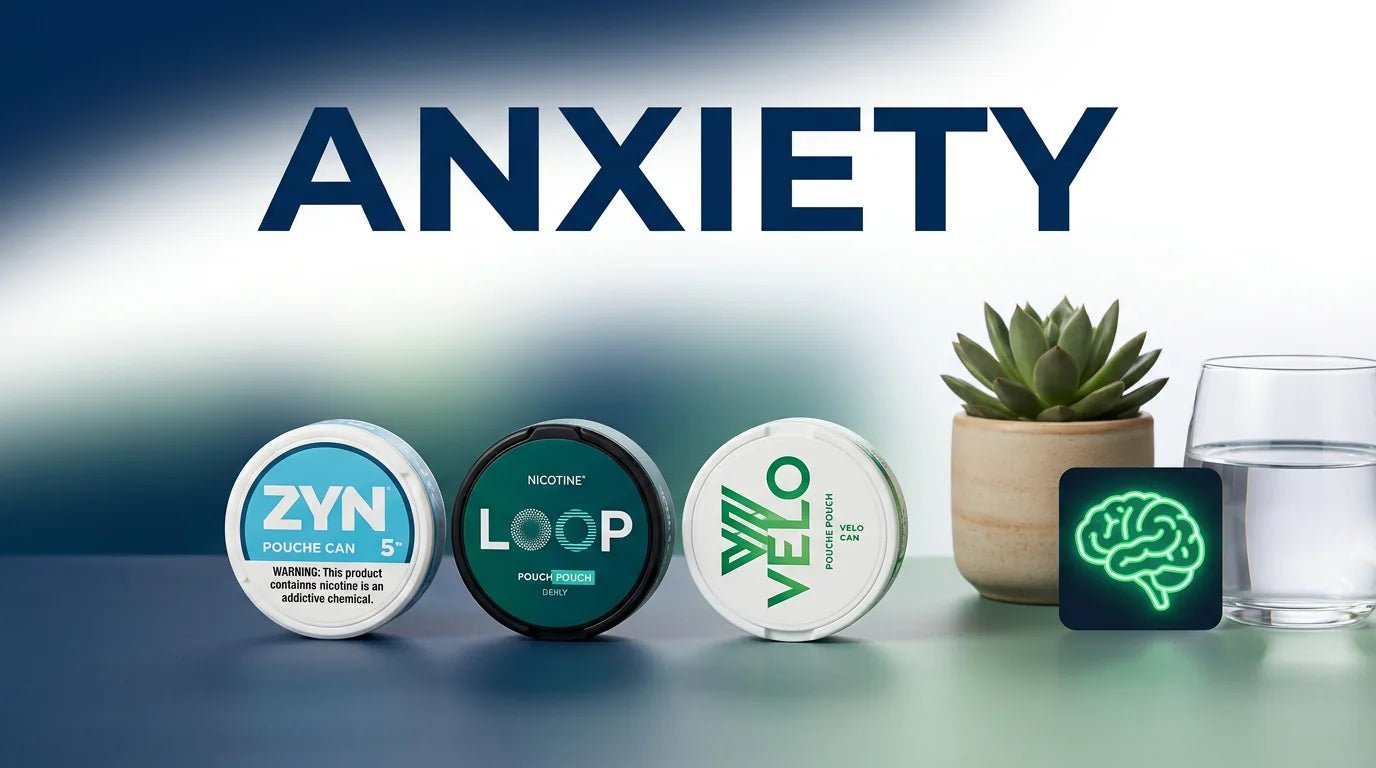
If you've ever reached for a nicotine pouch during a stressful moment — and felt instant calm — you're not alone. Millions of users across Europe reach for brands like ZYN, LOOP, and VELO partly because they seem to take the edge off anxiety. But does the science back that up? Or are nicotine pouches actually making your anxiety worse in the long run? Let's cut through the noise and look at what the research really says.
Key Takeaways
- Short-term relief is real but fleeting — nicotine triggers dopamine and GABA release, producing a genuine calming effect lasting 15–45 minutes.
- The paradox: regular users are largely relieving nicotine withdrawal anxiety, not pre-existing anxiety.
- Dose matters enormously — light pouches (3–6 mg) lean anxiolytic; strong pouches (11 mg+) can actively worsen anxiety.
- Long-term dependence raises your baseline anxiety — nicotine users have measurably higher anxiety levels than non-users on average.
- Quitting is linked to lower long-term anxiety — even though the withdrawal period itself temporarily spikes it.
What Nicotine Actually Does in the Brain
To understand the anxiety question, you have to start with your brain's nicotinic acetylcholine receptor system. When a nicotine pouch sits under your lip, nicotine absorbs through the mucous membrane and reaches the brain in roughly 3–5 minutes. Once there, it binds primarily to α4β2* nicotinic acetylcholine receptors (nAChRs) — the subtype most closely linked to mood and anxiety regulation.
This binding triggers a cascade: dopamine is released in the nucleus accumbens (your brain's reward centre), and GABA — the brain's primary inhibitory neurotransmitter — is also upregulated. The combined effect is a temporary reduction in neural "noise," a drop in cortisol reactivity, and that recognisable sensation of calm focus. According to research published via PMC's Neuropharmacology archive (2015), nicotinic receptors play a complex but measurable role in anxiety modulation across multiple brain regions, including the amygdala, hippocampus, and prefrontal cortex.
This anxiolytic effect is real and pharmacologically valid. The problem is what happens next — and what happens when this process repeats daily.
Why Nicotine Feels Like an Anxiety Fix (But Often Isn't)
Here's where the science gets uncomfortable. Most people who use nicotine pouches "for anxiety" are not reducing baseline anxiety — they're relieving nicotine withdrawal anxiety. The distinction is critical, and it's one the nicotine industry rarely highlights.
Once your brain adapts to regular nicotine input, it downregulates its natural receptor sensitivity. When nicotine leaves your system — typically within 2–3 hours of your last pouch — your anxiety levels don't return to your natural pre-nicotine baseline. They spike above it. That spike is withdrawal. And the pouch that relieves it isn't fixing anxiety — it's fixing the anxiety it created.
This is sometimes called the "nicotine relief trap": the substance that causes the problem is also the only short-term solution to it. Research consistently shows that non-nicotine users have lower baseline anxiety than regular nicotine users, even after controlling for lifestyle factors like work stress, sleep, and diet.
The Nicotine-Anxiety Cycle Explained
Understanding the full cycle makes the picture clearer:
- Initial use: Nicotine provides genuine short-term anxiolytic effect via dopamine/GABA activation.
- Tolerance builds: Your brain adapts — the same dose produces progressively less effect over days and weeks.
- Dependency forms: Your anxiety baseline rises as your receptor system recalibrates around consistent nicotine presence.
- Withdrawal anxiety appears: Every time nicotine levels drop, you experience anxiety that now sits above your original baseline.
- Relief-seeking reinforces the loop: Another pouch temporarily restores balance — but deepens the dependency cycle.
Survey data suggests that 73.4% of regular nicotine pouch users report increased anxiety or irritability during periods without pouches. This isn't an unusual side effect — it's a defining feature of nicotine dependence. The medial habenula (MHb) cholinergic pathway, specifically driven by α6/α4β2* nAChRs, is implicated in the anxiety and dysphoria characteristic of nicotine withdrawal.
If you're currently using lighter-strength nicotine pouches, you're actually in a better position for managing this cycle — which brings us to the single most important variable: dose.
Dose and Strength: Why This Changes Everything
Not all nicotine pouches affect anxiety the same way. The dose you use is arguably the most important factor in whether nicotine works as an anxiolytic or actively triggers anxiety symptoms.
| Strength Level | Typical Dose | Anxiety Effect | Primary Mechanism |
|---|---|---|---|
| Light | 3–6 mg | Mildly anxiolytic | Dopamine/GABA activation; low sympathetic arousal |
| Regular | 6–10 mg | Neutral to mildly anxiogenic | Mixed receptor activation; moderate adrenaline release |
| Strong | 11–16 mg | Anxiogenic for many users | Sympathetic nervous system activation; elevated cortisol |
| Ultra-Strong | 17 mg+ | High anxiety and panic risk | Acute cholinergic overstimulation; racing heart, jitteriness |
At high doses, nicotine stops being primarily dopaminergic and begins heavily activating the sympathetic nervous system — triggering adrenaline release, increasing heart rate, and raising blood pressure. These are the same physiological markers as anxiety, which explains why many users experience jitteriness, heart palpitations, or dizziness with strong pouches rather than calm.
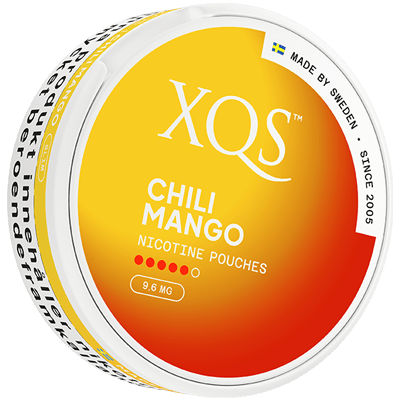
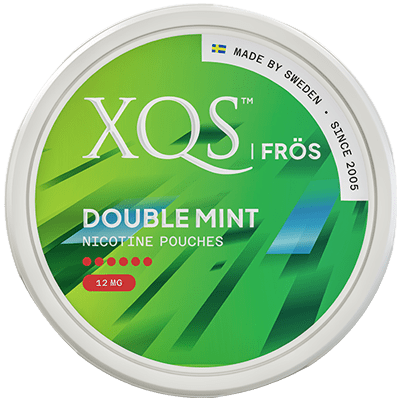
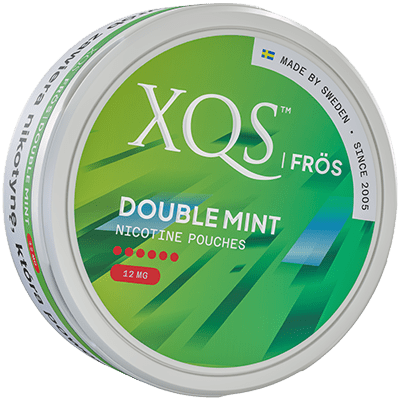
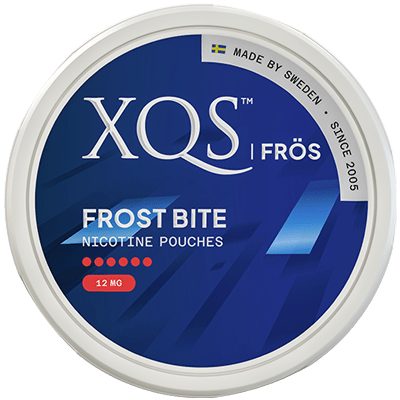
Brands like LOOP span a wide strength range from 6 mg up to 20 mg — choosing the right tier makes a significant difference. Browse LOOP's full range here. Equally, ZYN, VELO, ZEUS, XQS, C.R.E.A.M, and KUMA all offer light-to-medium options that are far less likely to push your system into the anxiogenic zone.
What the Research Actually Concludes
Here's the honest summary of where the evidence lands:
- Short-term anxiolytic effect: confirmed. Low-dose nicotine produces measurable anxiety reduction via nAChR activation. Duration is approximately 15–45 minutes depending on dose and tolerance.
- Long-term effect: net negative. Regular users consistently demonstrate higher baseline anxiety than never-users. Short-term relief is chronically outweighed by elevated withdrawal anxiety between doses.
- Starting for anxiety: common but counterproductive. Research from the Truth Initiative found that 81% of young nicotine users started partly to reduce anxiety — yet those who successfully quit reported significantly lower anxiety at 6-month follow-up than those who continued using.
- Emergency presentations are rising. Clinicians report a notable increase in anxiety and panic attacks among heavy nicotine pouch users, particularly those using ultra-strong products multiple times daily.
- Nicotine pouches do not treat anxiety disorders. There is no clinical evidence that nicotine products are effective for GAD (Generalised Anxiety Disorder), social anxiety, or panic disorder. These conditions require appropriate medical treatment.
Practical Guidance for Existing Users
If you're already using nicotine pouches and anxiety is a concern, here's what the evidence actually supports:
Step Down Your Strength
If you're currently on 11 mg+ pouches, a gradual step-down to 6 mg or lower is one of the most evidence-backed adjustments you can make. Your body still receives nicotine and withdrawal is minimised, but the sympathetic activation that drives anxiety symptoms is significantly reduced. Many users notice a marked difference within a week or two of switching down.
Space Out Your Pouches
Constant back-to-back pouch use keeps nicotine levels artificially elevated, which means your anxiety baseline stays elevated too. Where possible, aim for gaps of 3–4 hours between pouches. This allows your system to partially normalise between doses and reduces the intensity of the withdrawal-anxiety cycle over time.
Track Your Triggers
Pay close attention to when you reach for a pouch. Is it during genuine external stress? Or specifically when you haven't had one for a few hours and feel irritable or restless? If the latter, that's withdrawal anxiety driving the behaviour — recognising this is the first step to breaking the cycle.
Consider a Gradual Reduction
If anxiety is persistently linked to your pouch use, a structured step-down plan can help you regain your natural anxiety baseline without a brutal cold-turkey withdrawal. We've got a wide selection of lower-strength options available — check our outlet deals for discounted light and medium pouches, with free shipping on orders over €99.
And if anxiety is significantly affecting your daily life, that conversation belongs with a GP — not just a pouch strength swap.
FAQ
Do nicotine pouches help with anxiety?
Short-term, yes — low-dose nicotine produces a genuine anxiolytic effect via dopamine and GABA release, lasting roughly 15–45 minutes. Long-term, regular use raises your baseline anxiety through dependency. Most of the "relief" experienced by regular users is withdrawal anxiety being resolved, not general anxiety being treated.
Why do I feel anxious when I haven't had a nicotine pouch?
That's nicotine withdrawal anxiety. Once your brain adapts to regular nicotine use, your natural anxiety baseline rises above where it was before you started. When nicotine levels drop, you experience anxiety that exceeds your original pre-nicotine baseline — and the pouch resolves the withdrawal, not an underlying anxiety problem.
Are some nicotine pouches worse for anxiety than others?
Yes, significantly. Higher-strength pouches (11 mg+) are far more likely to trigger anxiety, jitteriness, and elevated heart rate because they activate the sympathetic nervous system more heavily. Light pouches (3–6 mg) carry a much lower risk of acute anxiety symptoms and are more likely to lean toward mild anxiolytic effects for most users.
Can nicotine pouches cause panic attacks?
Yes, particularly at high doses or in individuals sensitive to stimulant effects. Ultra-strong pouches (17 mg+) can trigger heart palpitations, elevated blood pressure, and acute anxiety that escalates into full panic episodes in susceptible users. If this happens, stop use and speak to a doctor promptly.
Will quitting nicotine pouches reduce my long-term anxiety?
Evidence suggests yes. The withdrawal period temporarily worsens anxiety — typically peaking in the first 3–7 days — but most ex-users report lower long-term anxiety after successfully quitting compared to their experience as regular users. The key is managing the withdrawal window, ideally with support.
Final Thoughts
The honest science on nicotine pouches and anxiety is more nuanced than most brands will tell you. Short-term relief is real. But long-term, dependency raises your baseline, withdrawal punishes you regularly, and the strongest pouches are often the worst choice if anxiety is already a concern. If you're going to use pouches, going lighter is almost always better from an anxiety standpoint.
Explore our full range of light nicotine pouches — with free shipping on all orders over €99. Whether you're stepping down gradually or just making a smarter strength choice, we've got you covered.