

Is snus nicotine bad for you?
Tobacco in snus drives most of the risk
Snus is a moist oral product made from ground tobacco leaf. It delivers nicotine through the gums much like other smokeless tobacco, yet the leaf itself introduces a wider mix of hazards. During growing, curing, and processing, tobacco produces a family of chemicals called tobacco specific nitrosamines, or TSNAs, that are firmly linked to several cancers. Oral health specialists list at least twenty eight carcinogens in traditional smokeless products, with TSNAs near the top of the concern list. Because of those additional toxicants, large public health agencies hesitate to describe snus as low risk even though it avoids smoke inhalation.
What nicotine itself can do
Nicotine is a stimulant that quickly activates the cardiovascular system. After a portion is placed under the upper lip, heart rate and blood pressure rise within minutes, an effect documented across cigarettes, vaping, snus, and pouches. Nicotine also reduces saliva flow, leaving the mouth drier. Users often notice gum irritation, local soreness where the pouch or prilla rests, redness, or small ulcers. Long sessions and repeated placement in the same spot can lead to gum recession and tooth sensitivity. These problems have been noted in clinical reports on smokeless tobacco and are now appearing in surveys of modern pouch users, though the exact long term pattern may differ from brand to brand.
How pouches differ
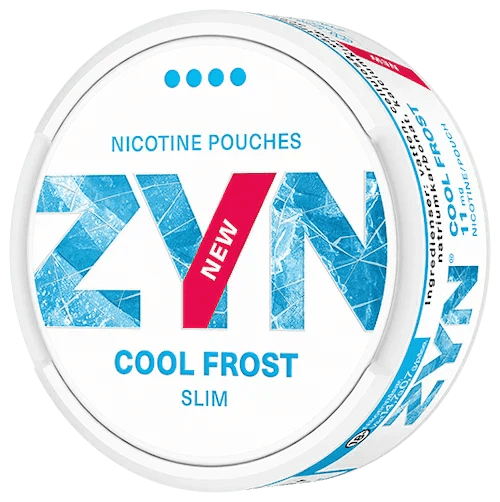
Oral nicotine pouches usually contain plant fiber, pharmaceutical grade nicotine, pH modifiers, sweeteners, and flavorings. Because they do not contain tobacco leaf, they lack the TSNAs that come from tobacco. Independent chemical screens have still detected small amounts of certain harmful or potentially harmful constituents, known as HPHCs, but at far lower levels than found in snus or cigarettes. Fewer toxicants does not mean risk free, and researchers note that cancer risk for the newer products has not been fully quantified because long term studies are still underway. Short term cardiovascular effects appear similar to other nicotine products, and the same mouth irritation described above is common. Dentists therefore urge users of any oral nicotine to schedule regular checkups so that gum changes, lesions, or emerging cavities are found early.
Strength, dose, and responsible use
Nicotine levels vary widely. In the United States many pouches range from two to twelve milligrams each, yet some international lines climb far higher. Laboratory work shows that a six milligram pouch can produce peak blood nicotine higher than a single cigarette for certain users, so both dose and frequency matter. Adult consumers often fine tune their routine over time. Some move toward light pouches for mild stimulation, others choose extra strong formats, and a small group seeks high strength versions that approach fifty milligrams. Tolerance can grow quickly, making clear labeling essential. Health guidance is equally direct: youth and never users should not start, pregnant people and anyone with heart disease should avoid nicotine, and smokers who want to quit altogether still receive evidence based nicotine replacement therapy such as patches, gum, or lozenges combined with counseling.
Current smokers who cannot or will not stop immediately may view tobacco free pouches as a harm reduction step because measured toxicants are lower than in snus and drastically lower than in cigarettes. Some products have even received limited United States marketing authorization, but regulators did not approve them as cessation tools. At the same time, prevention experts warn that dessert flavors and lifestyle branding have boosted pouch uptake among teenagers and young adults, a trend confirmed by recent national surveys.
Practical guidance for adults
Practical guidance for adults
At The Snus Outlet we design pouches for informed adults and keep the focus on flavor, mouthfeel, and clear strength architecture. Straightforward warnings on every can state that nicotine is addictive. Portion by portion routines differ: one person may use a single pouch during a commute, another might space several servings across the day. Transparent milligram ranges help both groups avoid guesswork. Laws differ from country to country, especially within Europe, so brands, retailers, and consumers need an correct legal overview before shipping or purchasing.
Key points stand out. Tobacco in snus brings TSNAs and many other carcinogens. Pouches remove that source but still supply addictive nicotine and small amounts of other chemicals. Both types of product can irritate oral tissue and stimulate the heart. For smokers who switch completely to pouches, chemical data suggest lower exposure to cancer causing agents, but the products remain unsuitable for non users, minors, and anyone advised to avoid nicotine. Teams that develop or sell oral nicotine can build trust by keeping the audience strictly adult, offering a spectrum from lighter to stronger portions clearly labeled in milligrams, and reminding customers to monitor their oral health with regular dental visits.
Sources & Further Reading
- National Institute on Drug Abuse (NIDA) — how nicotine affects the body
- NCBI Bookshelf — nicotine pharmacology and metabolism
- National Cancer Institute — tobacco, nicotine, and health risks