

You’re probably here because smoking has become annoying in two directions at once. You want out, but every alternative seems to come with its own tribe, jargon, and argument. One person swears by disposable vapes. Another says heated tobacco feels closest to a cigarette. A third tells you to use gum and pure willpower. Then nicotine pouches show up in your feed and you’re left wondering which option is practical, not just heavily marketed.
That confusion is normal. The market for alternatives for tobacco has become crowded, and most advice is either too clinical or too ideological. Smokers don’t usually need a lecture. They need a clear next move that fits work, travel, budget, and daily stress.
The useful way to think about this is simple. If you can’t stop nicotine overnight, reduce the harm first. Then make the switch workable enough that you stick with it. If you want a grounded explanation of dependence before choosing a format, this guide on whether nicotine pouches are addictive and what the science says is a solid companion read.
Table of Contents
- Why Quitting Smoking Feels So Complicated in 2026
- The Four Main Paths Away From Cigarettes
- Comparing Your Tobacco Alternative Options
- A Closer Look at Vaping and Heated Tobacco
- Why Nicotine Pouches Are a Top Choice for 2026
- Your Step-by-Step Plan to Switch with Pouches
- Nicotine Pouches and European Law in 2026
Why Quitting Smoking Feels So Complicated in 2026
Most smokers who want to quit don’t fail because they don’t care. They stall because the choice feels messy. Cigarettes are simple, destructive, and familiar. The alternatives are safer in different ways, but they ask you to learn new habits.
A typical quit attempt now looks like this. You smoke on the way to work, search for a better option at lunch, and by evening you’ve read three forum threads that disagree with each other. One says vaping gives the best replacement for the hand-to-mouth habit. One says heated tobacco is closer to smoking. Another says oral products are cleaner and easier. At that point, many people do nothing and buy another pack.
Too many options, not enough practical advice
The problem isn’t a lack of products. It’s that most comparisons ignore daily life. Can you use it discreetly in the office? Does it require charging? Will it leak in a bag? Can you use it on a train platform without attracting attention? Does it feel satisfying after coffee?
Those questions matter more than abstract debates. A product can look impressive on paper and still fail if it’s awkward at the exact moments when cravings hit.
Practical rule: The best switch isn’t the one with the most features. It’s the one you’ll still use on a stressful Tuesday.
Harm reduction works better than perfection talk
A lot of smokers get trapped by all-or-nothing thinking. If they can’t quit nicotine entirely right now, they assume they’ve failed. That mindset keeps people on cigarettes longer than necessary.
A better approach is to separate smoking from nicotine. The biggest problem is combustion. If you move away from burning tobacco, you’ve already changed the risk profile in an important way. From there, you can decide whether you want a medical product, a device, heated tobacco, or an oral format that doesn’t involve smoke or vapour.
That’s the lens to keep throughout this guide. Not hype. Not identity. Just what tends to work in the world.
The Four Main Paths Away From Cigarettes
Think of tobacco alternatives like four ways to get to the same destination. One is slow and steady. Two use hardware. One strips the whole experience down to the essentials.

Nicotine replacement therapy
Patches, gum, lozenges, and sprays sit in the medical lane. They’re designed to deliver nicotine without smoke and without much ceremony. For some smokers, that’s exactly the point. It removes the ritual and turns quitting into a dosage problem instead of a lifestyle identity.
The drawback is emotional, not technical. Many smokers don’t just miss nicotine. They miss the rhythm, the break, and the feeling of doing something. NRT often helps with the chemical side while leaving the behavioural side underfed.
Vaping
Vaping uses e-liquid and a device to create an aerosol instead of smoke. It appeals to smokers who want something active in the hand and a more customisable experience. Flavours, nicotine strengths, draw styles, and device types all play a role.
That flexibility is attractive, but it also creates friction. New users have to choose between pods, disposables, refillables, coils, and liquids. If you want a broad practical comparison focused on daily use, this breakdown of nicotine pouches vs vaping in 2026 is useful.
Heated tobacco
Heat-not-burn products use processed tobacco sticks and a powered device that heats rather than burns. For smokers who don’t want e-liquid and still want a tobacco-based experience, this can feel familiar. It usually preserves more of the cigarette-like ritual than oral products do.
It also means carrying a device, keeping it charged, cleaning it, and buying compatible consumables. That doesn’t bother everyone, but it’s a real barrier for people who want less fuss, not more.
Modern oral nicotine
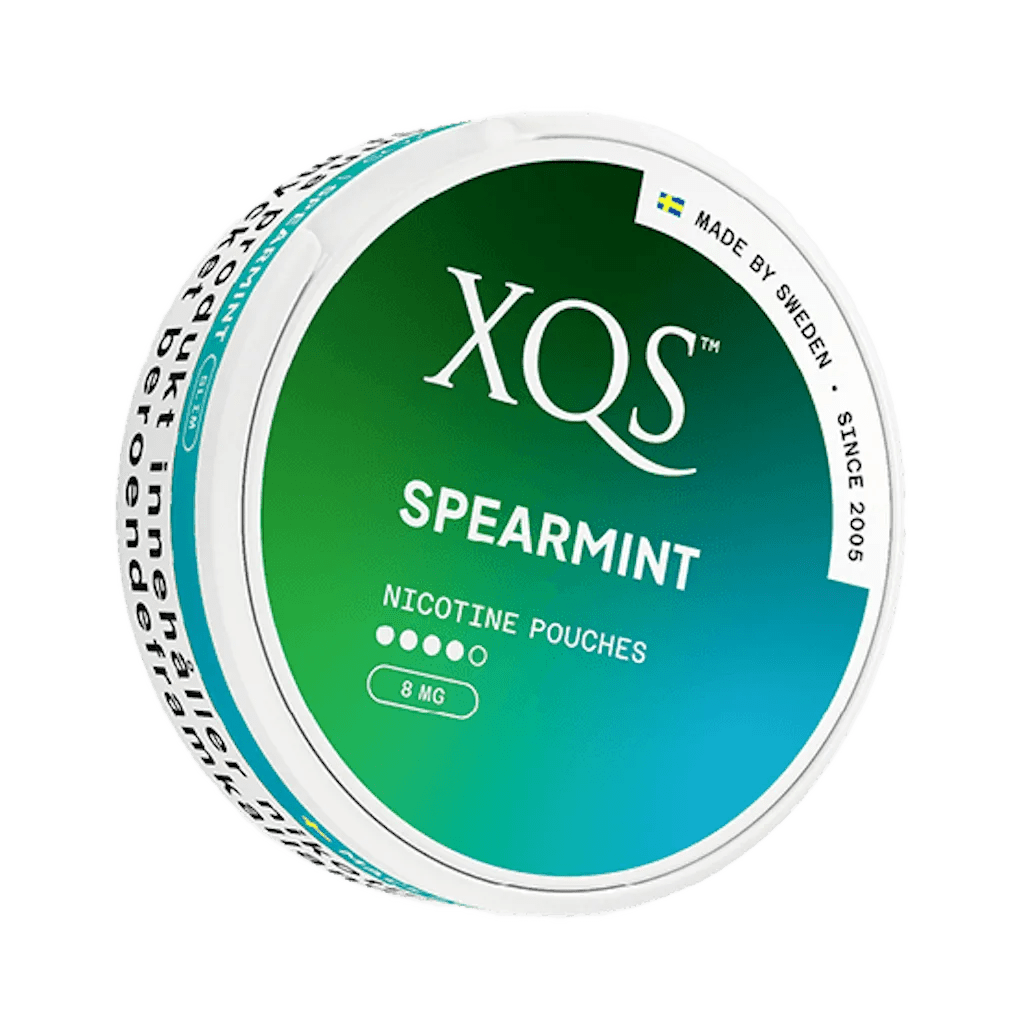
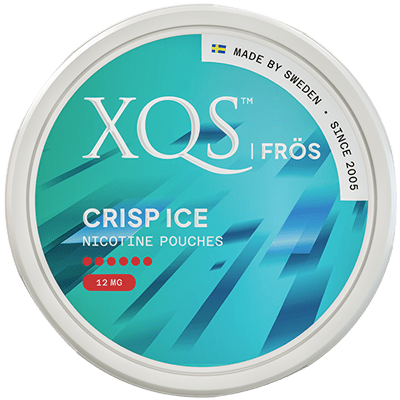
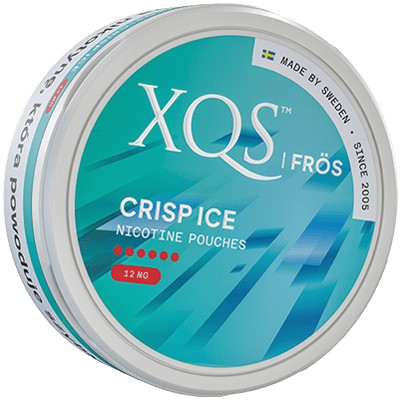
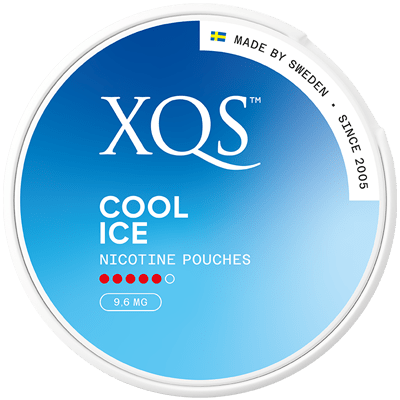
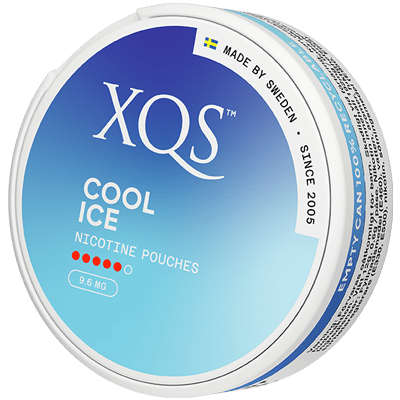
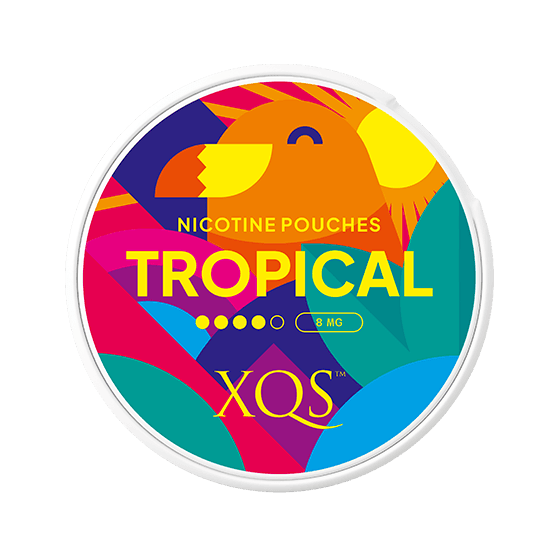
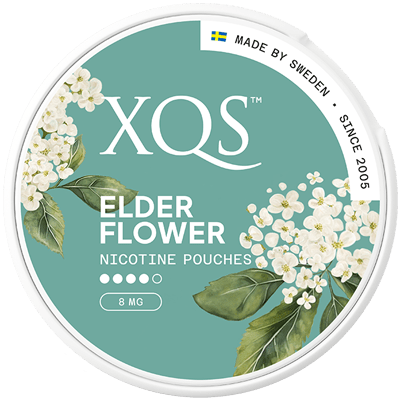
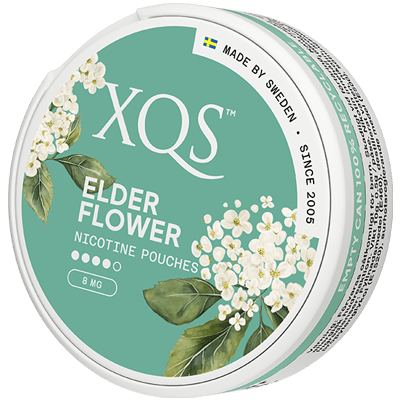
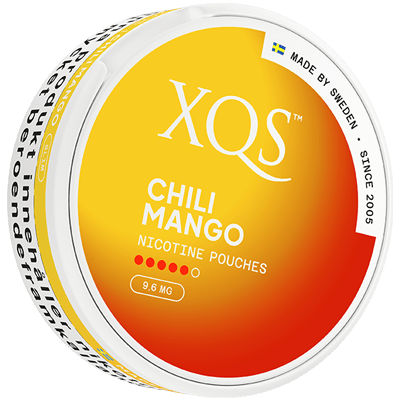
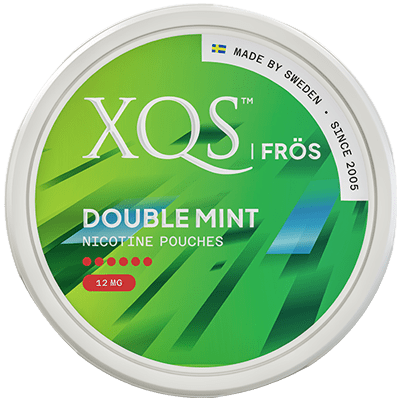
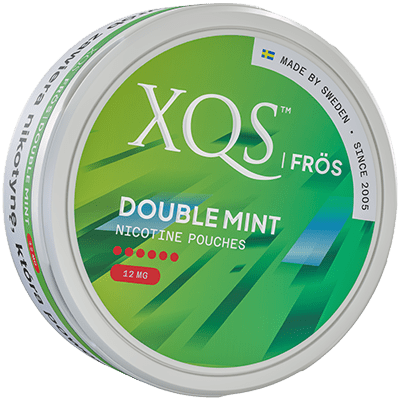
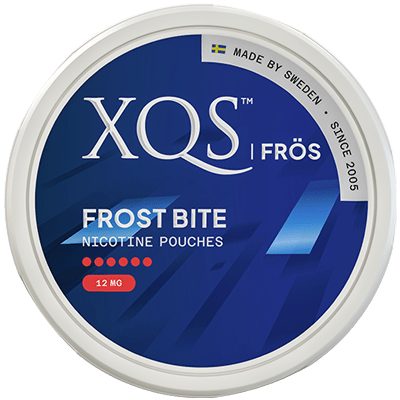
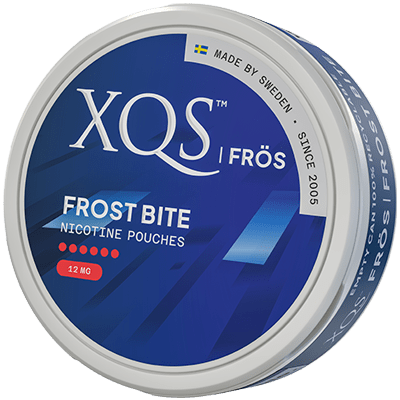
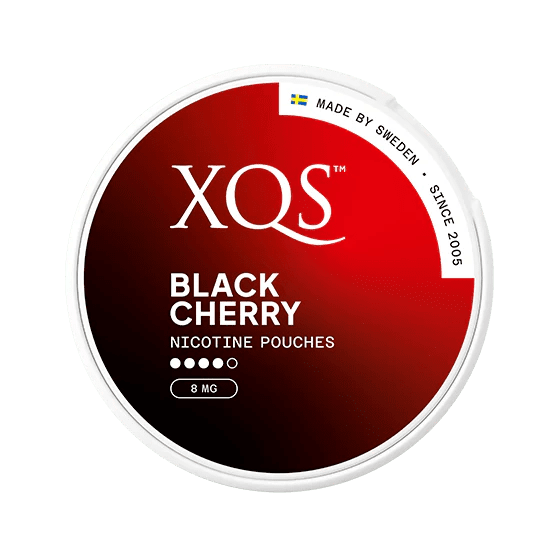
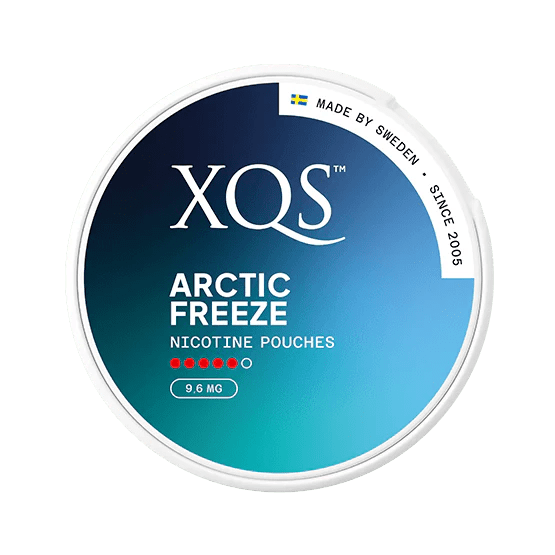
Nicotine pouches sit under the lip and deliver nicotine without tobacco leaf, smoke, vapour, or spitting. They don’t ask for charging, refilling, or finding a smoking area. That’s why they’ve become a practical option for commuters, office workers, travellers, and anyone who wants simplicity.
Oral alternatives also have history behind them. Sweden’s long-standing use of snus, a tobacco pouch alternative, has resulted in the lowest smoking rates among developed nations, and public health data suggests that a similar switch to smoke-free alternatives could deliver a 10-fold reduction in smoking-attributable deaths compared to traditional measures alone, according to PMI’s review of smoke-free alternatives and Sweden’s experience.
The useful distinction here is simple. Some alternatives replace nicotine. Some replace the ritual. The strongest options usually handle at least one of those well enough that cigarettes stop feeling necessary.
Comparing Your Tobacco Alternative Options
When people compare alternatives for tobacco, they often obsess over one variable and ignore the rest. That’s a mistake. The option that looks best in one category can be the worst fit for your day-to-day life.

The quick decision matrix
| Option | Best for | Main strength | Main friction |
|---|---|---|---|
| NRT | Smokers who want a clinical, straightforward quit aid | Simple, familiar medical framework | Can feel unsatisfying if you miss the ritual |
| Vaping | Smokers who want flavour and hand-to-mouth replacement | Highly adjustable experience | Maintenance, visibility, and choice overload |
| Heated tobacco | Smokers who want tobacco feel without combustion | Familiarity | Device dependence and reduced discretion |
| Nicotine pouches | Smokers who want convenience and low-profile use | Discretion and ease | Less ritual, plus some users need time to get used to the oral format |
Health impact isn’t the only deciding factor
If your only question is whether non-combusted products reduce exposure compared with cigarettes, several alternatives move in the right direction. But real adherence often comes down to whether the product fits the moments that usually trigger relapse.
A smoker who lights up during work breaks may not stick with a device that feels cumbersome. Someone who chain-smokes while driving may not love a patch because it doesn’t answer the urge to actively do something. Someone who wants zero visible output may rule out vaping immediately.
Discretion changes everything
Oral products gain an advantage for many adults. Pouches can be used in situations where smoke and vapour are either impractical or socially awkward. Meetings, public transport, airport queues, shared cars, and winter commutes all expose the difference between “technically usable” and “convenient.”
NRT can also be discreet, especially patches and lozenges. The trade-off is that many smokers find it less satisfying in the moments when a cigarette used to function as a reset button.
The best product for quitting is often the one with the fewest inconvenient moments.
Cost and complexity matter more than people admit
People rarely relapse because they forgot smoking was harmful. They relapse because the alternative became annoying. Pods run out. Devices need charging. Heated tobacco systems need their own consumables. Even the routine of carrying gear can push someone back toward cigarettes.
Here’s the practical pattern:
- NRT works best when you want structure and don’t care much about ritual.
- Vaping works best when you enjoy tinkering and want a more expressive replacement.
- Heated tobacco works best when you want something close to smoking and accept hardware dependency.
- Nicotine pouches work best when you value speed, portability, and the ability to use them discreetly.
Flavour and sensory fit
Flavour seems secondary until you choose badly. Tobacco-style experiences can help some smokers at first. Others do better with a hard break from cigarette associations and prefer mint, citrus, or fruit.
Vaping offers the broadest sensory customisation. Pouches usually offer the cleanest low-effort variety. NRT tends to feel the most functional. Heated tobacco stays closer to the tobacco lane.
If you’re choosing based on lifestyle instead of marketing, this category narrows quickly. Most adults don’t need the most advanced option. They need the one that causes the least friction over a full week.
A Closer Look at Vaping and Heated Tobacco
Vaping and heated tobacco get grouped together because both move away from combustion while keeping some of the active experience smokers are used to. That similarity matters, but the day-to-day experience is not the same.

Why smokers are drawn to them
Vaping works by aerosolising e-liquid. Heated tobacco devices warm tobacco instead of burning it. Both preserve a stronger sense of action than oral products do. You hold something, inhale, and pause in a way that feels recognisable to a smoker.
That familiarity is one reason these formats remain popular. According to Datam Intelligence’s market review of e-cigarettes and heat-not-burn products, electronic cigarettes and heat-not-burn products produce 90-95% fewer toxicants per puff than conventional cigarettes, and the same market is projected to reach USD 1,659.6 billion by 2030.
Where the friction starts
The practical downsides show up fast. Vaping introduces choice overload. Device type, coil style, nicotine strength, e-liquid flavour, and maintenance all influence the experience. That’s fine if you enjoy learning a system. It’s less fine if your goal is to stop smoking without taking on a hobby.
Heated tobacco tends to be simpler than advanced vaping setups, but it still depends on hardware and specific consumables. If the device isn’t charged, you’re done. If you run out of sticks, you’re done. If you forget the charger on a weekend trip, cigarettes suddenly start looking convenient again.
The social side people underestimate
Many smokers assume anything that isn’t a cigarette will feel socially neutral. That isn’t always true. Vapour is still visible. Devices are still visible. Heated tobacco still has an associated routine that draws attention, even if less than smoking.
For some users, that’s no problem. For others, especially people in shared offices or family environments, visible alternatives create their own form of self-consciousness.
A quick visual explainer helps if you’re trying to understand the hardware side before deciding:
Vaping and heated tobacco can be strong stepping stones. They’re just not low-maintenance stepping stones.
Who usually does well with these options
These formats tend to work best for smokers who care strongly about the inhalation ritual. If the draw, throat sensation, and hand movement are central to your smoking habit, a device may feel more natural than an oral product at the start.
They tend to work less well for people who want stealth, simplicity, and no charging anxiety. In that group, hardware often becomes the problem rather than the solution.
Why Nicotine Pouches Are a Top Choice for 2026
Nicotine pouches solve a specific problem better than most alternatives. They make switching away from cigarettes feel administratively easy. No smoke. No vapour. No ash. No charger. No lighter. No refill bottle in your coat pocket.
That simplicity matters more than people expect. Many smokers aren’t looking for a fascinating product. They’re looking for one that removes enough friction that they don’t slide back into buying cigarettes out of habit.

Why they fit European daily life so well
Pouches work especially well in the situations where smoking has become least practical. Cold weather. Dense city commutes. Shared spaces. Flights and train changes. Offices where stepping outside isn’t quick or comfortable. You place one under the lip and carry on.
That makes them different from both vaping and heated tobacco. Those products can reduce harm, but they still interrupt your day. Pouches usually don’t.
What makes them strong in practice
The appeal isn’t just discretion. It’s the combination of discretion and predictability.
- No hardware: Nothing to charge, clean, refill, or update.
- No visible cloud: You don’t have to negotiate public visibility.
- No tobacco leaf: Modern pouches give an oral nicotine option without traditional smokeless tobacco.
- Flexible strengths and formats: Slim, mini, regular, dry, and moist options let users find a fit that matches comfort and intensity.
That last point is where many smokers either succeed or get put off too early. A pouch that’s too weak won’t satisfy. One that’s too strong can feel harsh and unpleasant. A bad first match isn’t proof the category doesn’t work. It usually means the selection was wrong.
The honest trade-off
Pouches aren’t a free pass. They avoid smoke, but they still require sensible use. Oral comfort matters. Product strength matters. Placement matters.
That’s one reason I’d never describe them as harmless. A 2025 Norwegian cohort finding discussed in this oral-health-focused review of tobacco alternatives reported that nicotine pouch users had a 2.3x higher risk of gingival inflammation than traditional snus users after one year. The practical lesson isn’t “avoid pouches.” It’s “don’t use stronger products than you need, rotate placement, and pay attention to your gums.”
If a pouch burns hard every time, feels too aggressive, or leaves the same spot irritated, that’s not toughness. That’s a sign to change strength, format, or placement.
Who should seriously consider pouches first
Pouches are often the smartest starting point for:
- Office workers: You need something quiet and invisible.
- Travellers: You don’t want chargers, liquids, or smoking-area logistics.
- Former smokers who value convenience: You want nicotine without rebuilding your day around a device.
- Price-conscious users: You’d rather choose a repeatable format than keep buying hardware and consumables.
If you want a current buyer-focused shortlist, this guide to the best nicotine pouches in 2026 for European buyers is a useful place to compare strengths and styles.
Your Step-by-Step Plan to Switch with Pouches
The hardest part of switching isn’t the theory. It’s the first week. You need enough nicotine to avoid chasing cigarettes, but not so much that the pouch experience turns you off.
A broad review of 44 studies found that tobacco-free nicotine alternatives can support smoking cessation at around 41%, while also showing that using both cigarettes and alternative tobacco products can raise the risk of returning to cigarettes by 8.5%, according to the review hosted on PubMed Central. The practical takeaway is simple. Half-switching tends to be shaky. A clean switch works better.
Start with fit, not bravado
Choose your first pouch based on the cigarette pattern you already have. Heavy smokers usually need a product that feels present enough to replace a cigarette break. Lighter smokers often do better with a gentler starting point.
A few practical rules help:
- Go moderate first: If you start too strong, you may get throat sting, gum discomfort, or a nicotine rush that makes the whole category seem wrong for you.
- Choose slim or mini if comfort matters: Smaller formats are easier for beginners and better for discreet use.
- Pick easy flavours first: Mint and citrus are usually safer opening choices than unusual dessert or novelty flavours.
Build a replacement routine
Most failed switches happen because cigarettes still own the key moments. Morning coffee. After meals. Stress spikes. Driving. The answer isn’t just “use fewer cigarettes.” It’s to pre-assign a pouch to the moments when you know the urge will hit.
Try this:
- Morning trigger: Use a pouch with coffee instead of smoking first.
- Commute trigger: Keep a can where cigarettes used to live.
- Work break trigger: Use the pouch before the craving peaks, not after.
- Evening trigger: Keep one option at home that you like, not just one you tolerate.
Don’t wait for a craving to become a debate. Put the replacement where the cigarette used to be.
Expect an adjustment period
The first few days can feel strange if you’ve never used oral nicotine. That doesn’t mean it isn’t working. It means your brain is noticing that the ritual changed. Give it a little time before judging the category.
What usually helps most is variety with a purpose. Try a small range of strengths and flavours, then keep notes on which one stops you reaching for a cigarette. For many, endless experimentation is not necessary. They need one reliable daytime pouch and one stronger fallback for difficult moments.
Taper only after the switch feels stable
Don’t rush to reduce nicotine while cigarettes still feel tempting. First stabilise. Once smoking stops feeling like the obvious answer, then you can step down if that’s your goal.
A practical taper looks like this:
- Phase one: Find one pouch that consistently replaces your highest-risk cigarettes.
- Phase two: Use lower-intensity options for routine moments and keep the stronger one for emergencies.
- Phase three: Reduce strength only when the current level feels more than sufficient.
That sequence works better than forcing a weak pouch too early and calling the whole attempt a failure.
Nicotine Pouches and European Law in 2026
European law around nicotine pouches isn’t perfectly uniform, and that’s the part that confuses buyers. Rules vary by country, especially around sale, import, and product presentation. Some markets are open. Some are restrictive. Some change faster than users expect.
The practical point is this. Most adult users don’t need to become legal experts before making a switch. They need to check country-specific availability, buy from retailers that clearly communicate where products can be shipped, and avoid assuming that one country’s rules apply everywhere else.
That matters even more if you travel regularly within Europe. A pouch that’s easy to buy in one market may face tighter treatment in another. Always check before ordering or carrying products across borders, especially if you split time between multiple countries.
If you want a simple place to start, The Snus Outlet focuses on tobacco-free nicotine pouches for European buyers, with a broad range of brands, strengths, and formats plus fast EU-wide delivery. For adult smokers who want a low-friction move away from cigarettes, it’s a practical place to compare options and find a pouch setup that fits daily life.