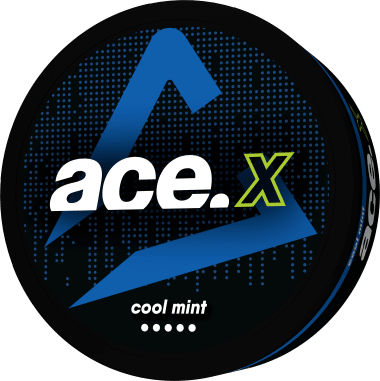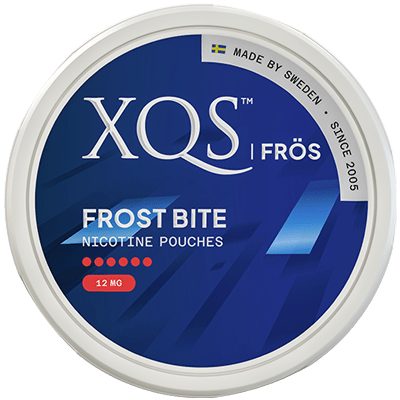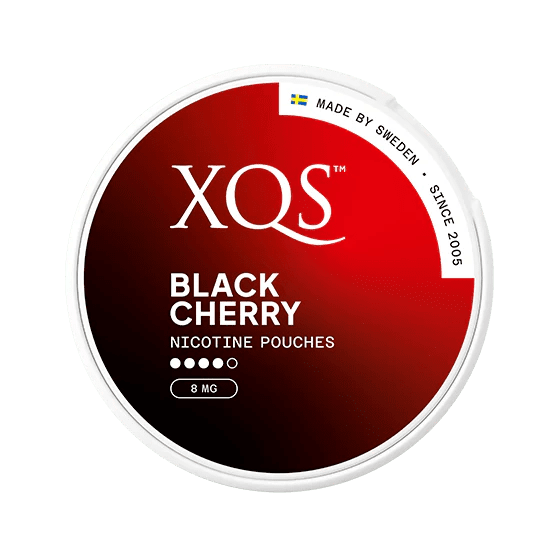


- Yes, nicotine pouches are addictive — nicotine creates physical and psychological dependence regardless of how it is delivered.
- The mechanism is well understood: nicotine triggers dopamine release in the brain's reward circuit, creating a reinforcement loop that builds quickly with daily use.
- 4 mg pouches deliver roughly 92% of a cigarette's total nicotine exposure — slower, but comparable over the course of a session.
- Existing smokers and vapers who switch to pouches are not increasing their addiction risk — they are substituting with a tobacco-free format.
- If you already use nicotine, The Snus Outlet stocks ZYN, VELO, LOOP, and more — tobacco-free options from 3 mg to 50+ mg.
One of the most common questions about nicotine pouches is also the most direct one: are nicotine pouches addictive? The honest answer is yes — and the science behind why is worth understanding. This is not a scare piece. It is a factual breakdown of how nicotine dependence works, what the research shows about pouches specifically, and what it means for people who are already using nicotine products.
How Nicotine Addiction Works
Nicotine is a stimulant that binds to nicotinic acetylcholine receptors (nAChRs) in the brain, particularly in the ventral tegmental area. This triggers a release of dopamine in the nucleus accumbens — the brain's primary reward centre. The brain registers the dopamine surge as pleasurable and reinforcing, creating a memory: "nicotine delivers a reward." This is the foundation of all nicotine addiction, whether from cigarettes, vapes, gum, patches, or pouches.
With repeated exposure, the brain adapts in two key ways. First, it builds more nAChRs through a process called receptor upregulation — research published in Neuropharmacology has shown that chronic users develop 50–100% more receptors than non-users. Second, those extra receptors demand more nicotine to produce the same effect, driving up tolerance and frequency of use. When nicotine is absent, those receptors go unstimulated, producing the classic withdrawal symptoms: irritability, difficulty concentrating, anxiety, and restlessness.
Do Nicotine Pouches Deliver Enough Nicotine to Cause Dependence?
This is where it gets specific. Yes — at standard doses, pouches deliver sufficient nicotine to establish dependence. A systematic review and meta-analysis published on PubMed Central found that 4 mg nicotine pouches deliver approximately 91.73% of total cigarette nicotine exposure, though with slower absorption (peak plasma levels at 20–65 minutes vs 5–8 minutes for cigarettes).
The slower absorption means the initial hit is less intense than a cigarette — which may actually make pouches slightly less acutely reinforcing per use. But that does not mean they are safe from a dependence standpoint. Regular daily use is more than enough to create physical dependence, and higher-strength pouches (8 mg and above) can deliver more total nicotine than a cigarette.
Nicotine Pouch Strength and Addiction Risk
The relationship between pouch strength and addiction risk is dose-dependent. Here is how it maps out based on the pharmacokinetics research:
| Pouch Strength | Nicotine vs Cigarette | Addiction Risk Level | Example Products |
|---|---|---|---|
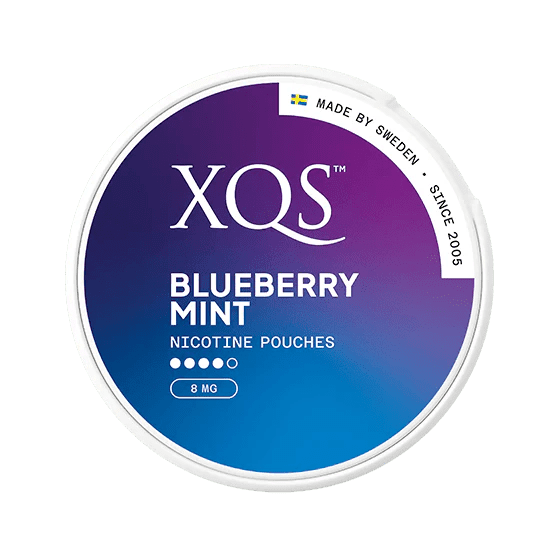
| 3–4 mg | Slightly lower total exposure | Moderate — still addictive with daily use | ZYN 3, VELO Mini 4mg, XQS 4mg |
| 6–8 mg | Comparable to a cigarette | High — comparable to regular smoking | ZYN 6, LOOP 8mg, KUMA 8mg |
| 10–16 mg | Higher than a cigarette | High — dependence develops faster | C.R.E.A.M 16mg, ZEUS Strong, VELO X-Strong |
| 20–50 mg+ | Significantly higher | Very high — experienced users only | Pablo Exclusive 50mg, Siberia -80 White |
The Honest Risk Picture: Who Should Be Concerned?
According to the Cleveland Clinic, nicotine is highly addictive and the dose in some pouches can be higher than in cigarettes. They flag two distinct risk groups: people who use pouches to step down from smoking (a legitimate harm-reduction path), and people who have never used nicotine before (for whom any pouch creates new dependence).
If you are a non-nicotine user, picking up pouches out of curiosity carries a real addiction risk that should not be underestimated. Physical dependence can develop within a few weeks of daily use. The appealing flavours — mint, citrus, berry — and the discreet format make it easy to build habits quickly.
If you are an existing smoker or vaper, the picture is different. You already have nicotine dependence. Switching to pouches does not increase your addiction risk — it substitutes your delivery method for one without tobacco, combustion products, or aerosol. That is the harm-reduction argument, and it is well-supported by public health evidence.
Withdrawal: What Happens When You Stop?
Nicotine withdrawal is real and uncomfortable, but manageable. The acute phase typically lasts 3–5 days, with symptoms peaking around day 2–3. Common symptoms include:
- Strong cravings for nicotine
- Irritability and mood swings
- Difficulty concentrating
- Increased appetite and weight gain
- Sleep disturbances
- Mild headaches and restlessness
After the acute phase, psychological cravings can persist for weeks or months — particularly in situations or environments linked to pouch use. This is why habit replacement is often more effective than cold-turkey approaches. Many users successfully taper down from high-strength to low-strength pouches over time before stopping.
Pouches vs Other Nicotine Products: Addiction Comparison
| Product | Speed of Nicotine Delivery | Dependence Risk | Tobacco Content |
|---|---|---|---|
| Cigarettes | Very fast (5–8 min peak) | Very high — fastest to create dependence | Yes |
| Vapes/E-cigarettes | Fast (similar to cigarettes) | High — nicotine salt vapes especially | No |
| Nicotine Pouches | Moderate (20–65 min peak) | High at standard doses — but slower onset | No |
| Nicotine Gum/Patch | Slow and controlled | Lower — designed for cessation use | No |
| Snus (Swedish) | Moderate (similar to pouches) | High — comparable to pouches | Yes |
Responsible Use: How to Keep Dependence in Check
For users who already rely on nicotine, here are practical ways to manage use intelligently:
- Start at the lowest effective strength — there is no benefit to using a 20 mg pouch if a 6 mg pouch satisfies your craving.
- Avoid constant use throughout the day — spacing sessions reduces receptor stimulation and slows tolerance build-up.
- Do not combine formats — using pouches on top of vaping or smoking doubles nicotine exposure and accelerates dependence.
- Take planned breaks — even a few days off every month helps recalibrate tolerance and keeps you in control of the habit.
- Taper if you want to quit — stepping down from 8 mg to 4 mg to 3 mg over several weeks is more effective than abrupt cessation for most users.
Browse the full strength range — from 3 mg entry-level to ultra-strong — at The Snus Outlet. Brands like ZYN, VELO, LOOP, XQS, ZEUS, C.R.E.A.M, and KUMA cover every strength tier. The outlet section regularly features deals of up to 60% off.
FAQ: Are Nicotine Pouches Addictive?
Are nicotine pouches as addictive as cigarettes?
At typical doses (6–8 mg), pouches deliver comparable total nicotine exposure to a cigarette, though with slower peak absorption. They carry a similar dependence risk to regular smoking, with the key difference being the absence of tobacco and combustion products.
How quickly can you become dependent on nicotine pouches?
Physical dependence can develop within a few weeks of daily use. The exact timeline varies by individual, dose, and frequency. High-strength pouches used multiple times daily accelerate the process significantly.
Can you get addicted to low-strength nicotine pouches?
Yes. Even 3–4 mg pouches contain enough nicotine to establish dependence with regular use. Lower strength reduces the acute intensity but does not eliminate the addiction risk over time.
What is the science behind nicotine withdrawal?
Withdrawal occurs because the brain's upregulated nAChRs are suddenly understimulated. According to NIDA (National Institute on Drug Abuse), the acute withdrawal phase typically peaks within 2–3 days of stopping and resolves over 3–4 weeks, though psychological cravings can persist longer.
Are nicotine pouches a good way to quit nicotine?
They are not medically approved cessation aids. However, many smokers use them as a transitional step — moving from cigarettes to pouches (eliminating tobacco) and then tapering down pouch strength over time. It is a pragmatic harm-reduction approach even without formal clinical endorsement.
Final Thoughts
The science is clear: nicotine pouches are addictive, and that is worth knowing before you start. But addiction risk exists on a spectrum, and context matters. For existing nicotine users, pouches represent a tobacco-free, smoke-free, spitless format with lower toxic compound exposure than cigarettes or chewing tobacco. For non-users, they carry a real addiction risk that is easy to underestimate given their discreet, flavoured format.
Use them informed. If you are already in the nicotine ecosystem and want the cleanest possible format, explore the full range at The Snus Outlet — free EU shipping over €99, shipped from Stockholm, delivered in 2–7 days.