

Can a nicotine pouch sharpen your focus or help you retain information? It's a question a lot of users are already asking — and the science is catching up. Research from 2023 and 2025 shows that nicotine interacts with brain receptors tied to memory and attention in measurable ways. But the picture is more nuanced than the headlines suggest. Here's what the evidence actually shows — and what it means if you're using pouches daily.
Key Takeaways
- Nicotine binds receptors in the prefrontal cortex and hippocampus — the brain's focus and memory centres
- A 2025 PubMed study found nicotine improves working memory via BDNF upregulation in the hippocampus
- A Georgetown University trial showed 46% recovery of long-term memory in early Alzheimer's patients on nicotine patches
- Low doses appear neuroprotective; high doses may have the opposite effect
- Many "cognitive benefits" in regular users may be reversing withdrawal deficits — not creating new gains
How Nicotine Acts on the Brain
Nicotine doesn't just trigger a buzz — it plugs directly into nicotinic acetylcholine receptors (nAChRs) throughout your central nervous system. The two most relevant subtypes for cognition are α4β2 and α7.
When nicotine binds α4β2 receptors, it triggers dopamine release from the nucleus accumbens while suppressing GABA (the brain's primary inhibitory signal). The result: a dual-pathway dopamine boost that sharpens alertness and reduces mental noise. The α7 receptors, clustered heavily in the hippocampus and prefrontal cortex, are the ones most directly linked to learning and memory consolidation.
Acetylcholine — the neurotransmitter that nicotine mimics — plays a central role in encoding new information. When nicotine floods these pathways, it's essentially amplifying the brain's natural focus chemistry, at least temporarily.
The 2025 PubMed Study: Working Memory and BDNF
A 2025 paper indexed on PubMed (PMID 40087918) provided some of the clearest mechanistic evidence to date. The study found that nicotine activates α7 nAChRs in the hippocampus, triggering upregulation of BDNF — brain-derived neurotrophic factor, a protein critical for forming and strengthening synaptic connections.
Higher BDNF levels in the hippocampus correlated with measurable improvements in working memory — the system that holds information temporarily while you're actively using it. The effect was dose-dependent: moderate stimulation produced gains, while excessive stimulation plateaued or reversed them.
Critically, BDNF levels dropped during nicotine withdrawal — which the researchers linked directly to the memory impairment many regular users experience when they go without. This is an important caveat: for dependent users, the "memory boost" may partly be restoring the baseline that withdrawal degraded.
Georgetown's MCI Trial: Long-Term Memory Recovery
One of the most striking clinical findings comes from a Georgetown University Medical Center (GUMC) trial published in Neurology. Researchers recruited 74 patients with Mild Cognitive Impairment (MCI) — a precursor state to Alzheimer's — and gave half a nicotine patch regimen over six months.
The results were striking. The nicotine group showed a 46% recovery toward age-normal long-term memory scores. The placebo group, by contrast, continued to decline — worsening by 26% over the same period. Attention, processing speed, and consistency also improved in the nicotine arm.
This is not a licence to self-medicate against cognitive decline. MCI is a clinical condition, and the study used controlled patches — not pouches. But it does establish that nicotine's effect on nAChRs is real, measurable, and potentially therapeutically significant in at-risk populations.
Nature Communications 2023: The NAD+ Neuroprotection Angle
A 2023 paper in Nature Communications added another dimension: nicotine's effect on cellular energy metabolism. Low-dose nicotine was found to boost NAD+ (nicotinamide adenine dinucleotide) levels in neurons via the NAMPT enzyme.
NAD+ is essential for mitochondrial function and DNA repair — its decline is associated with neurodegeneration and cognitive ageing. The neuroprotective effects at low doses were significant. However — and this is critical — high doses had the opposite effect, impairing NAMPT activity and reducing NAD+ rather than boosting it.
This is consistent with the broader pattern in nicotine research: there's a sweet spot, and exceeding it doesn't give you more benefit. It gives you more harm.
What It Means for Everyday Pouch Users
Research from the Mountain Tactical Institute (2025) studied nicotine's acute effects in active, performance-focused individuals. Their findings align with what many pouch users report anecdotally: a 30–40 minute window of enhanced focus and fine motor precision after use, followed by a below-baseline period once the pouch is removed.
If you use nicotine pouches for work tasks — writing, coding, studying — this timing matters. The cognitive uplift is real but temporary, and the comedown is part of the cycle. People reaching for nicotine pouches for focus and work should be aware that the window closes and plan accordingly.
The NIH research literature also flags an important nuance: cognitive gains in non-smokers and ex-smokers who have never been nicotine-dependent are smaller or absent. The biggest effects are seen in current dependent users, suggesting that much of the "enhancement" is reversing withdrawal-induced deficits rather than adding capability beyond one's baseline. This doesn't make the effect less real — but it does reframe what's happening biologically.
Honest Caveats: What the Science Doesn't Support
Nicotine is not a nootropic in the clean, risk-free sense that word sometimes implies. Here's what the evidence does not support:
- Adolescent use: The developing brain (under ~25) is far more vulnerable to nAChR disruption. Nicotine during adolescence is associated with reduced attention control and executive function long-term
- True enhancement in non-users: Evidence for cognitive gains above baseline in nicotine-naive individuals remains weak
- High-strength pouches: The dose-dependency findings are real — supra-threshold dosing may impair the same systems it appears to enhance at moderate doses
- Dependency loop: Chronic use establishes a new baseline. Withdrawal then creates genuine cognitive disruption, which makes the next pouch feel necessary rather than beneficial
The science is genuinely interesting, but it doesn't endorse uncritical daily use as a performance strategy.
Strength and Dosing: A Practical Note
Given the dose-dependency evidence, moderate-strength pouches (4–8mg) are more likely to sit within the beneficial range than high-strength options (16mg+). If your goal is cognitive clarity rather than a heavy hit, starting lower makes both scientific and practical sense.
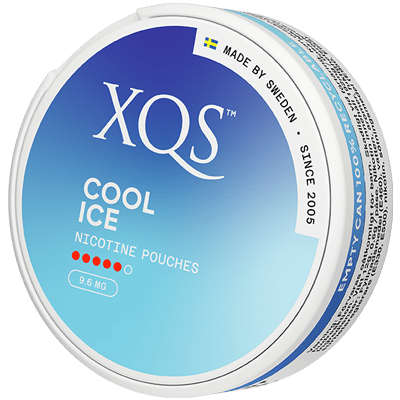
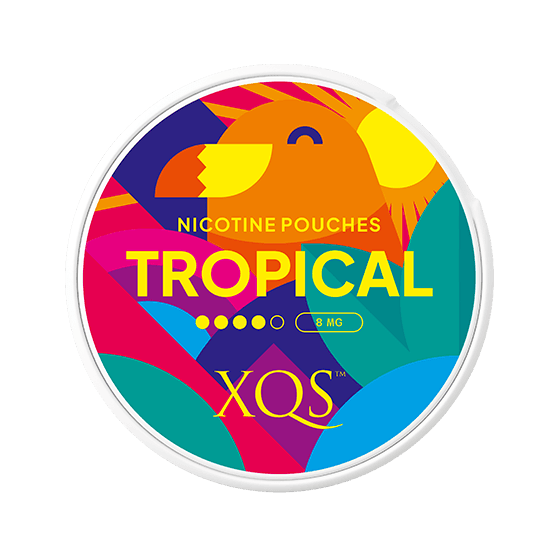
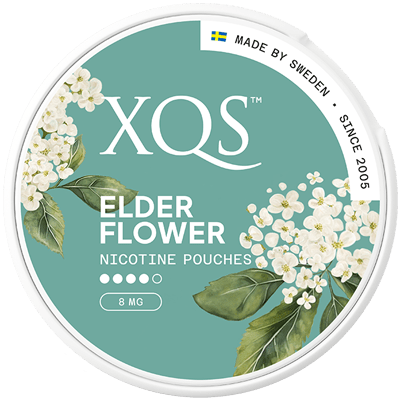
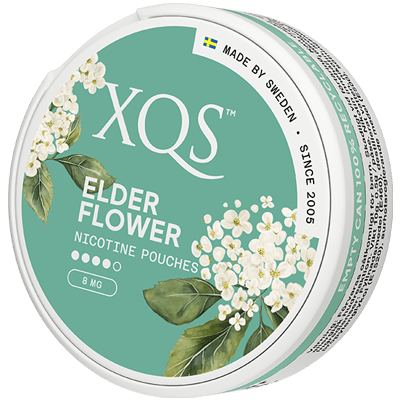
Browse the best nicotine pouches of 2026 for a full breakdown of top-rated options across strengths. Brands like ZYN, VELO, and LOOP all offer ranges that cover moderate dosing well. ZEUS and XQS are solid options for those who want reliable consistency at mid-range strength.
Comparison: Cognitive Research Evidence by Dose Level
| Dose Level | Typical Pouch Strength | Cognitive Effect | NAD+ / BDNF |
|---|---|---|---|
| Low (1–4mg) | Light / Regular | Mild attention boost, minimal withdrawal effect | NAMPT upregulated — NAD+ increases |
| Moderate (4–8mg) | Strong | Working memory improvement, 30–40min focus window | BDNF elevated — optimal range |
| High (10–16mg) | Extra Strong | Focus boost but ceiling reached; anxiety risk | Plateau — limited additional benefit |
| Very High (20mg+) | Ultra Strong | Diminishing returns; potential impairment | NAMPT suppressed — NAD+ may drop |
FAQ: Nicotine Pouches and Brain Function
Do nicotine pouches actually improve focus?
Yes, in the short term — typically a 30–40 minute window of heightened alertness and attention. The effect is mediated by dopamine and acetylcholine activity in the prefrontal cortex. However, much of the benefit in regular users may be restoring the focus lost to prior withdrawal rather than exceeding their natural baseline.
Can nicotine pouches help with memory?
Research shows nicotine activates α7 nAChRs in the hippocampus, triggering BDNF upregulation that supports working memory. A 2025 PubMed study confirmed this mechanism directly. In clinical settings, nicotine has also shown potential for improving long-term memory in patients with Mild Cognitive Impairment.
Is nicotine neuroprotective?
At low to moderate doses, the current evidence suggests it may be — particularly via the NAMPT/NAD+ pathway identified in the 2023 Nature Communications study. At high doses, the same research shows negative effects. This is an active area of research and no clinical recommendation exists for nicotine as a neuroprotective agent.
Are higher-strength pouches better for cognitive effects?
No. The dose-dependency data consistently shows a sweet spot in the moderate range. Very high-strength pouches (20mg+) are more likely to trigger anxiety and impaired function than to deliver greater cognitive benefit. Moderate-strength options are a better fit if focus is the goal.
Should I use nicotine pouches as a study or work aid?
Only you can make that call — but the science suggests short-term use can improve alertness during specific tasks. The risks are the dependency cycle, withdrawal-related cognitive disruption, and adolescent brain vulnerability. If you're already using pouches and find they help at work, keeping to moderate strengths and being mindful of the timing window is the pragmatic approach.
Final Thoughts
The science on nicotine and cognition is more substantive than most people expect. Working memory, long-term memory, attention, and even neuroprotection — there are credible research trails connecting all of them to nicotine's mechanism of action. But it's not a simple "yes, it makes you smarter" story. Dose dependency, the withdrawal baseline problem, and the risks for developing brains mean the full picture is significantly more nuanced.
If you're looking for premium pouches at competitive prices — whether for focus, flavour, or just reliable quality — browse The Snus Outlet deals and find the right strength for your routine. Orders over €99 get free shipping.