
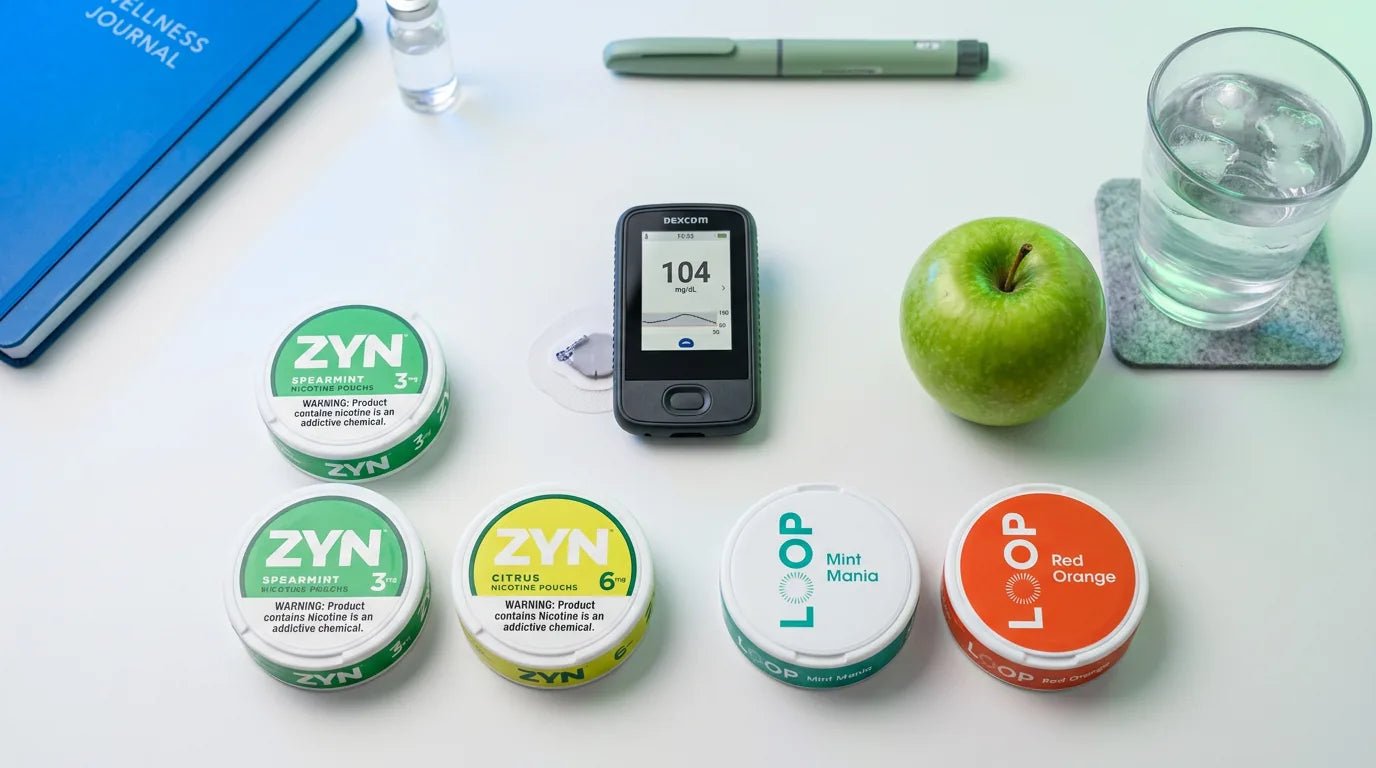
If you have diabetes and use — or are considering — nicotine pouches, there is one thing the science makes clear: nicotine affects blood sugar. The mechanism is well-documented, the effects are measurable, and the implications for diabetics are real. This article breaks down what the research actually says, how tobacco-free pouches compare to cigarettes on this specific issue, and what practical steps diabetics can take to manage their nicotine use responsibly. Always discuss any nicotine product use with your healthcare provider, especially if you use insulin or other glucose-regulating medication.
- Nicotine raises blood sugar by triggering catecholamine release and contributing to insulin resistance — this applies regardless of delivery method
- Nicotine pouches are not cigarettes — they remove combustion-related toxins, but the nicotine-glucose connection remains active
- Diabetics who use nicotine often need larger insulin doses to compensate for reduced insulin sensitivity
- Research on pouches specifically is limited — most data comes from cigarette smokers, though the nicotine mechanism is the same
- Lower-strength pouches (4–6mg) may produce a smaller acute blood glucose effect than higher-strength options — monitoring is key
How Nicotine Affects Blood Sugar
Nicotine triggers the release of catecholamines — primarily adrenaline (epinephrine) — from the adrenal glands. These stress hormones signal the liver to release stored glucose (glycogenolysis), which raises blood sugar rapidly. This is the same "fight or flight" glucose response your body uses during intense exercise or stress, just activated by nicotine rather than a physical threat.
According to the CDC's guidance on diabetes and tobacco use, nicotine can raise blood sugar levels and makes it harder for the body to regulate glucose effectively. This is not limited to cigarettes — the CDC explicitly notes that "products with nicotine raise your blood sugar," which includes pouches, patches, gum, and e-cigarettes.
The effect is fast. Research suggests insulin resistance can appear within an hour of nicotine exposure. For a person without diabetes, the pancreas compensates by producing more insulin. For someone with Type 1 diabetes (where insulin production is absent or severely limited) or Type 2 diabetes (where insulin resistance is already elevated), that compensatory mechanism is impaired — meaning blood sugar rises and stays elevated for longer.
The Insulin Resistance Connection
Beyond the immediate catecholamine spike, nicotine causes a more persistent form of metabolic disruption: skeletal muscle insulin resistance. Research published in the journal Diabetes identified the molecular mechanism — nicotine increases IRS-1 Ser636 phosphorylation in muscle cells via the mTOR pathway, which blocks insulin-stimulated glucose uptake.
In practical terms, this means the cells in your muscles become less efficient at pulling glucose out of your bloodstream, even when insulin is present. For a Type 2 diabetic who already faces insulin resistance as the defining feature of their condition, regular nicotine use compounds the existing problem. Studies consistently show that people with diabetes who use nicotine require larger insulin doses to achieve the same blood glucose control compared to non-users.
There is also a bidirectional risk. While nicotine typically raises blood sugar, it can in some cases cause hypoglycemia (dangerously low blood sugar) in insulin-dependent diabetics. The mechanism is complex — nicotine affects appetite and meal timing, and if insulin is dosed based on expected food intake that doesn't materialise, the result can be a glucose crash. Diabetics who use insulin should be aware that nicotine can introduce new unpredictability into their glucose management.
What the Research Says About Nicotine Pouches Specifically
Most of the research on nicotine and diabetes has been conducted on cigarette smokers. Data specifically on tobacco-free nicotine pouches and blood glucose is limited — the products are too new for long-term cohort studies. This matters because pouches remove combustion entirely, and some of the inflammatory damage from cigarette smoke (which also worsens glucose regulation independently of nicotine) is absent from pouch use.
However, a 2025 study presented at the European Association for the Study of Diabetes (EASD) examined smokeless tobacco users — including those using snus, which is chemically similar to nicotine pouches in terms of nicotine delivery — and found a 19% higher risk of SIDD (severe insulin-deficient diabetes) and 13% higher risk of SIRD (severe insulin-resistant diabetes) compared to non-users. The researchers noted: "Our findings suggest that, like smoking, snus raises the risk of type 2 diabetes, which points to nicotine as a possible driver, particularly through its effects on insulin resistance."
This is an important finding. It suggests the blood sugar effect of nicotine pouches is real and significant even in the absence of tobacco combustion. The nicotine itself — not the smoke — is the primary metabolic driver. Users who believed switching from cigarettes to pouches would eliminate all glucose-related risk should understand that the nicotine mechanism remains active.
Type 1 vs Type 2: Different Risks
The implications for blood glucose management are different depending on diabetes type.
Type 1 diabetics produce no or insufficient insulin naturally and rely entirely on injected or pumped insulin. Because nicotine can raise blood glucose unpredictably, insulin-to-carb ratios may need adjustment on days when pouches are used. The risk of unanticipated glucose spikes is higher, and continuous glucose monitoring (CGM) can help identify patterns in how pouches affect your individual response.
Type 2 diabetics face a different challenge. Insulin resistance is already the core problem — and nicotine compounds it. If you manage Type 2 diabetes through diet and exercise alone, adding regular nicotine use may undermine your glucose control and eventually require medication where none was previously needed. If you already use metformin or other insulin-sensitising drugs, nicotine may reduce their effectiveness.
In both cases, the degree of risk is proportional to the dose of nicotine and the frequency of use. Using a low-strength pouch (3–4mg) occasionally has a smaller metabolic footprint than using a 20mg pouch multiple times daily.
Nicotine Pouches vs Cigarettes for Diabetics
If you currently smoke and have diabetes, switching to nicotine pouches removes a significant additional layer of glucose-disrupting harm. Cigarette smoke contains thousands of compounds — many of which cause systemic inflammation, oxidative stress, and direct damage to pancreatic beta cells. All of these processes worsen blood glucose control independently of nicotine's catecholamine effect.
| Factor | Cigarettes | Nicotine Pouches |
|---|---|---|
| Nicotine-glucose effect | Yes | Yes |
| Combustion-related inflammation | Yes (major) | No |
| Beta cell oxidative damage | Yes | No |
| Carbon monoxide interference | Yes | No |
| Insulin resistance (long-term) | Severe | Moderate |
| Glucose spike (acute) | Moderate–High | Moderate |
The picture is not "pouches are safe for diabetics" — it is "pouches are significantly less damaging than cigarettes for diabetics, while still requiring careful glucose monitoring." For diabetics who cannot or will not quit nicotine entirely, this distinction is meaningful. Removing combustion toxins while keeping nicotine is a harm reduction step, not a resolution of the glucose problem.
Practical Guidance for Diabetics Using Pouches
If you have diabetes and choose to use nicotine pouches, the following steps can help you manage the blood glucose impact more effectively:
- Monitor your glucose before and after starting pouches, especially in the first 2–4 weeks, to identify your personal glucose response pattern.
- Choose lower-strength options — light nicotine pouches (3–6mg) produce a smaller catecholamine response than ultra-strong variants. ZYN 3mg or VELO 4mg are good starting points.
- Avoid using pouches immediately before or after meals when glucose management is most critical. The catecholamine spike from nicotine can interfere with post-meal glucose processing.
- Discuss your use with your diabetes care team — your insulin dosing or oral medication may need adjustment if you use nicotine regularly, and your GP or diabetologist is best placed to advise on your individual parameters.
- Do not use pouches as a meal substitute or appetite suppressant — a common behaviour that can disrupt expected glucose curves, especially for insulin-dependent users.
- Stay hydrated — dehydration worsens glucose concentration and can amplify the effect of any blood sugar elevation from nicotine.
Choosing the Right Strength If You Have Diabetes
From a glucose-management perspective, lower nicotine content per pouch means a smaller acute catecholamine release and a lower blood sugar spike. For diabetics who use nicotine pouches, the practical guidance is to use the lowest effective strength — the dose that satisfies cravings without exceeding what your body actually needs.
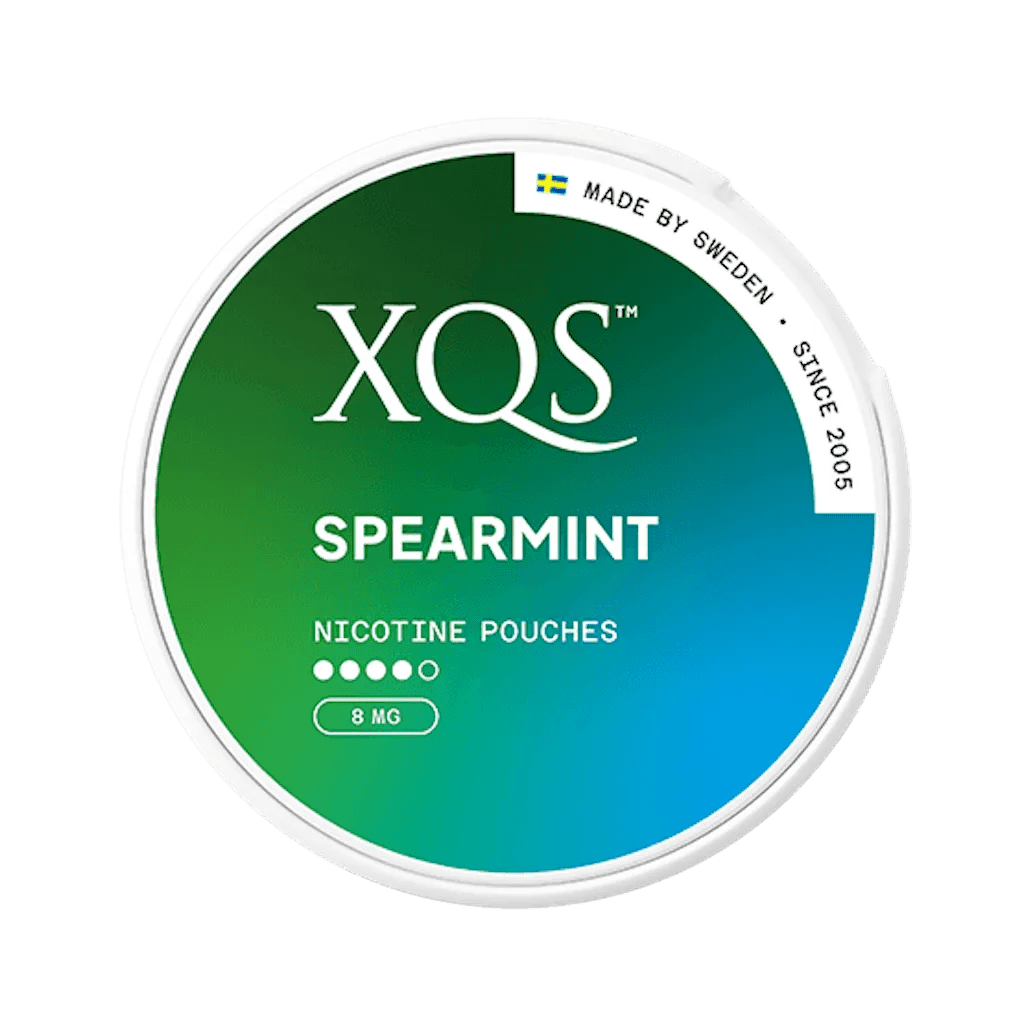
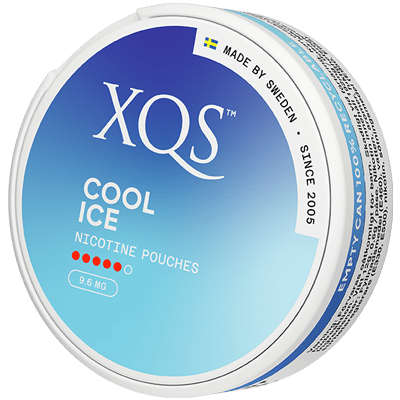
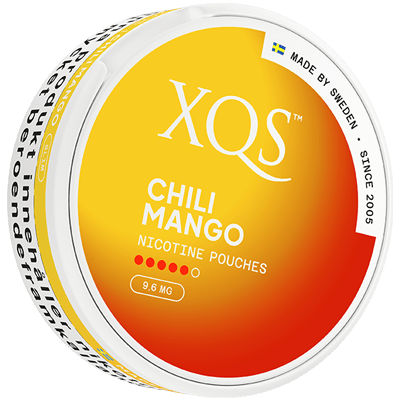
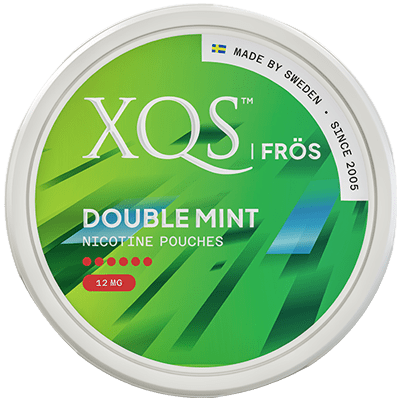
Brands like ZYN, VELO, LOOP, and XQS all offer solid low-strength options starting at 3–4mg per pouch. These are genuinely effective at managing nicotine cravings for light-to-moderate users. Escalating to ZEUS 20mg or Pablo 50mg for no reason other than habit creates disproportionate metabolic burden — something diabetics especially should avoid.
C.R.E.A.M, KUMA, and XQS are all available in light formats and tend to have dry textures that absorb cleanly. LOOP Mini format is another practical option — smaller pouch, less nicotine per session, easier to keep within a comfortable glucose-impact range.
FAQ
Do nicotine pouches raise blood sugar in diabetics?
Yes. Nicotine — regardless of delivery method — stimulates catecholamine release that triggers the liver to release stored glucose. This raises blood sugar and also contributes to insulin resistance over time. Diabetics who use nicotine pouches may see measurable glucose elevations and should monitor their readings more closely when starting or changing their pouch use.
Are nicotine pouches safer than cigarettes for diabetics?
In terms of blood glucose, nicotine pouches remove the combustion-related inflammation, beta cell oxidative damage, and carbon monoxide effects of cigarettes — all of which worsen glucose control independently of nicotine. So switching from cigarettes to pouches is a meaningful harm reduction step. However, the nicotine-glucose mechanism itself is still active with pouches, and careful glucose monitoring remains essential.
Can nicotine pouches cause hypoglycemia?
In insulin-dependent diabetics, nicotine can indirectly contribute to hypoglycemia by affecting appetite and meal patterns. If insulin is dosed in anticipation of a meal that is delayed or skipped due to nicotine's appetite-suppressing effect, blood sugar can drop dangerously low. Nicotine itself does not directly lower blood sugar in most contexts — the hypoglycemia risk is indirect and behavioural.
What strength nicotine pouch is best for a diabetic?
Lower strengths produce a smaller acute catecholamine response and a smaller blood glucose spike. Light pouches in the 3–6mg range — such as ZYN 3mg, VELO 4mg, or LOOP Mini — are more appropriate choices than ultra-strong options if you have diabetes and want to minimise metabolic impact. Always discuss strength selection with your doctor in the context of your individual glucose management plan.
Can using nicotine pouches cause Type 2 diabetes?
Research suggests regular nicotine use is associated with increased risk of developing Type 2 diabetes, including through tobacco-free delivery methods. A 2025 EASD study found snus users had up to 19% higher risk of certain diabetes subtypes compared to non-users. The mechanism is primarily nicotine-driven insulin resistance. This does not mean pouches will cause diabetes in every user, but it is a genuine long-term risk for regular, high-frequency users.
Final Thoughts
Nicotine pouches and blood sugar are linked — through the same nicotine mechanism that applies to every other nicotine product. For diabetics, this means additional vigilance: regular glucose monitoring, lowest effective strength, timing pouches away from meals, and transparent communication with your diabetes care team. Switching from cigarettes to pouches removes combustion-related glucose harm, but does not eliminate the nicotine-glucose connection.
If you're looking for low-strength options that minimise your metabolic footprint, browse the best nicotine pouches of 2026 at The Snus Outlet — with the full ZYN, VELO, LOOP, XQS, C.R.E.A.M and KUMA light ranges available. Free EU shipping on orders over €99, delivered in 2–7 days across Europe. This article is for informational purposes only and does not constitute medical advice. Consult your healthcare provider before using any nicotine product if you have diabetes.