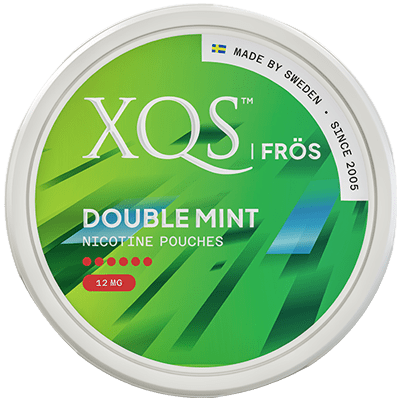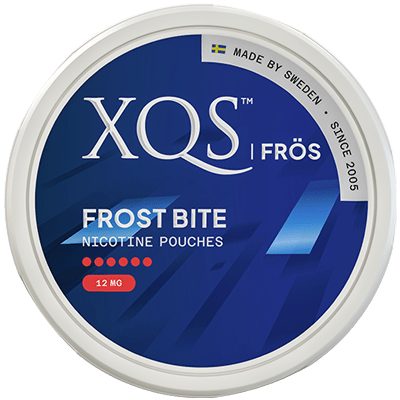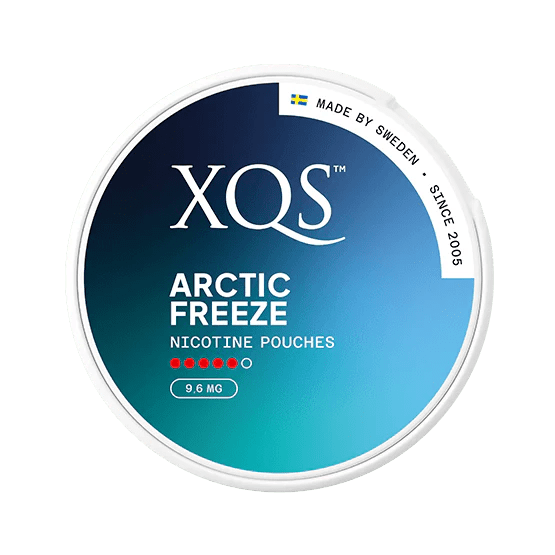


Snus is a moist smokeless tobacco placed under the upper lip. It delivers nicotine plus tobacco-specific nitrosamines, trace heavy metals, and other plant compounds. Most research covers Swedish snus, so those data are a reasonable starting point for anyone in the United States comparing it with cigarettes, vaping, or nicotine pouches.
Key cancer findings
A 2019 review by the Norwegian Institute of Public Health, pooling studies, concluded that long-term snus use probably raises cancer risk in the esophagus and pancreas. Evidence for cancers of the stomach and rectum was rated as possible rather than confirmed, and links to mouth, throat, and lung cancers remained uncertain. Nitrosamines—well-studied carcinogens—are the most likely mechanism. Switching from cigarettes to snus removes smoke and tar, yet the underlying tobacco still carries some cancer potential.
Cardiovascular impact
Nicotine rapidly increases heart rate and blood pressure. Beyond these short-lived effects, the same 2019 review found that daily snus use likely contributes to chronic high blood pressure and higher death rates after heart attack or stroke. One study found that former snus users who quit after a heart attack cut their two-year mortality risk by about half. Pooled Swedish cohort research supports the picture, reporting higher overall mortality among current users compared with never users. Overall, the cardiovascular system is most consistently stressed by regular snus exposure.
Metabolic and mental effects
Dose matters. Using more than four cans per week was linked to a probable increase in type 2 diabetes, suggesting metabolic changes beyond brief nicotine spikes. On mental health, observational studies have reported a possible association between snus use and non affective psychosis, though the evidence for a direct link with schizophrenia remains too limited for firm conclusions. Correlation does not prove causation, but anyone with personal or family risk for diabetes or psychotic illness should consider these signals when choosing a nicotine source.
Oral health and pregnancy
Local effects are easy to miss. The pouch can irritate the gum where it sits, and some users notice lasting color changes or thickened tissue. Research cannot give a clean bill of health for oral cancer, and teams continue to monitor users for precancerous lesions. If you develop persistent soreness, patches that change color, or ulcers that will not heal, pause use and consult a dental clinician without delay. Pregnancy raises separate concerns. Several studies from Scandinavia report higher rates of stillbirth and preterm delivery among snus users. Because nicotine crosses the placenta to the fetus, the safest path during pregnancy, breastfeeding, or while trying to conceive is complete avoidance of nicotine with help from a health professional.
Practical advice for users
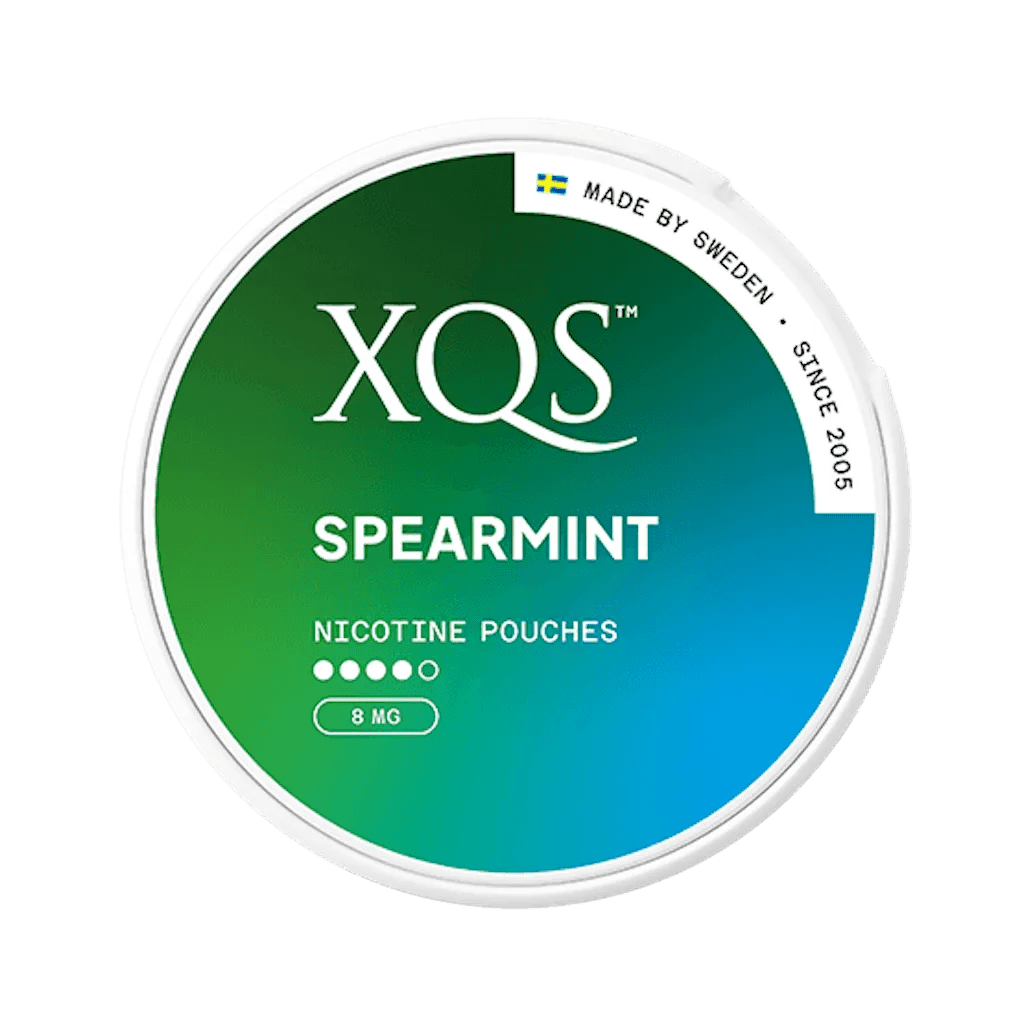
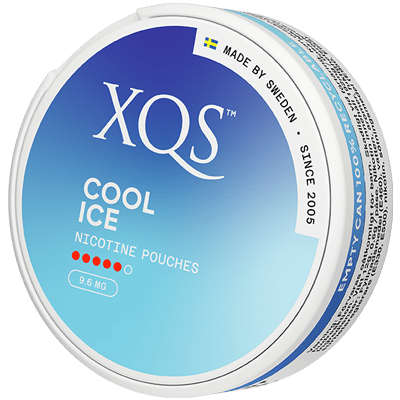
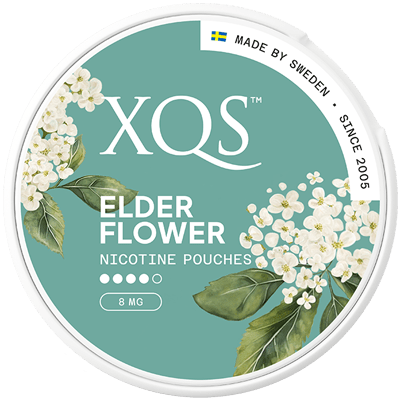
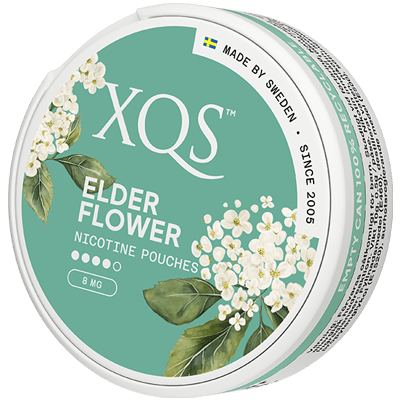
Comparative risk is not zero risk. In 2019, the Food and Drug Administration said that replacing cigarettes with snus may lower the chance of heart disease, chronic bronchitis, lung cancer, stroke, and emphysema, but also noted that snus is not cleared as a quit aid and absolute risk remains. Nicotine pouches are marketed as tobacco-free, yet laboratory work shows that a six milligram pouch can deliver more nicotine to the bloodstream than a cigarette; stronger pouches can exceed those levels. Moving from snus to pouches removes residual tobacco chemicals but still exposes you to a dependence-forming drug that can disturb sleep and raise blood pressure.
Readers often arrive at Snus Outlet to compare portion sizes, flavors, or strengths. Every product page displays nicotine content and whether the item contains tobacco, so you can match what you buy with your tolerance. For a broad overview, the searchable catalog groups options by brand and strength, making it easier to plan purchases or downshift to milder varieties. The range includes Velo, a pouch line clearly labeled by strength so you can start at the lower end if you are concerned about palpitations or sleep disruption.
For anyone with heart disease, prior stroke, diabetes, or a strong family history of those conditions, evidence favors lower exposure. Sensible steps include setting a fixed daily limit on portions, avoiding high strength cans, and tracking blood pressure at home. Watch for warning signs such as chest pain, dizziness, persistent mouth sores, or sudden spikes in resting pulse; these are cues to stop and seek medical advice. If you combine pouches and snus the same day, remember that nicotine sums across products, raising the chance of nausea, insomnia, and uncontrolled hypertension without adding health benefit beyond short craving relief.
Stopping altogether remains the clearest path to risk reduction. If you are ready to quit, discuss a plan with your clinician that can include therapy, nicotine replacement such as patches or gum, and follow-up support so you do not have to manage withdrawal alone.
Sources & Further Reading
- National Institute on Drug Abuse (NIDA) — how nicotine affects the body
- NCBI Bookshelf — nicotine pharmacology and metabolism
- National Cancer Institute — tobacco, nicotine, and health risks