
The European Commission has proposed the biggest overhaul of tobacco and nicotine taxation in over a decade — and for the first time, nicotine pouches are explicitly in scope. If the proposal passes, minimum EU excise duties on pouches could push retail prices significantly higher in most member states by 2030. Here is what the proposal actually says, what it would cost buyers, and how likely it is to happen.
- The European Commission tabled a Tobacco Taxation Directive revision on 16 July 2025 that would, for the first time, apply EU-wide minimum excise duties to nicotine pouches.
- If adopted, the directive would take effect on 1 January 2028, with a four-year transitional period — meaning pouches would not be taxed under EU rules until at least 2030.
- Proposed minimum rates for nicotine pouches: 25% of retail price or €71.50 per kg from 2030, rising to 50% or €143 per kg from 2032.
- The proposal requires unanimous approval from all EU member states — a high bar that has already drawn significant opposition from MEPs and industry experts.
- Until the directive is finalised, prices at online EU retailers remain unchanged — now is a good time to browse current offers.
What Is the EU Tobacco Taxation Directive Revision?
The Tobacco Taxation Directive (TTD), formally Directive 2011/64/EU, has governed EU excise duties on cigarettes, roll-your-own tobacco, and other traditional tobacco products since 2011. According to the European Commission's announcement, the last major update to minimum rates occurred in 2014 — before vapes, heated tobacco, and nicotine pouches became mainstream consumer products.
On 16 July 2025, the Commission tabled two linked proposals: COM(2025) 580, which revises the structure and rates of excise duty across all tobacco and nicotine products, and COM(2025) 581, which amends the general Excise Duty Directive to bring new products into the EU's track-and-trace system (EMCS). Together, they represent the most comprehensive overhaul of nicotine product taxation the EU has attempted.
The proposals went to the Council for agreement (requiring unanimous support from all 27 member states) and to the European Parliament for consultation. A draft report from the Parliament's Economic and Monetary Affairs Committee was published in March 2026, with Council negotiations still ongoing.
Why Nicotine Pouches Are Now in Scope
Until now, nicotine pouches existed in a EU taxation grey zone. They contain no tobacco leaf, so they fell outside the scope of the existing TTD. Individual member states made their own decisions: Sweden and Denmark had national excise duties on pouches by 2023, and around nine EU states applied some form of national excise by 2025. The rest applied no specific tax at all.
The Commission's proposal adds a new Article 10 specifically covering "nicotine pouches and other nicotine products." The official rationale is to create a level playing field, reduce cross-border shopping driven by tax differences, and address what officials call "unjustified tax advantages" over traditional cigarettes. Notably, Swedish snus remains outside the scope of the directive, protected by Sweden's EU accession treaty.
The Commission's own impact assessment acknowledges that the proposed excise adjustments could raise EU inflation by approximately 0.55% — a figure that drew sharp criticism from MEPs and industry representatives at a November 2025 hearing of the Parliament's taxation committee (FISC).
What the Proposed Tax Rates Would Mean for Pouches
The proposal sets out a two-stage minimum rate structure for nicotine pouches. These are minimum floors — member states can set higher rates, and many already do.
| Phase | Timeline | Minimum Rate (Nicotine Pouches) |
|---|---|---|
| Transitional start | 2028 (directive enters force) | 4-year transitional — rates phased in gradually |
| Phase 1 | From 1 January 2030 | 25% of retail price or €71.50 per kg (whichever is higher) |
| Phase 2 | From 1 January 2032 | 50% of retail price or €143 per kg (whichever is higher) |
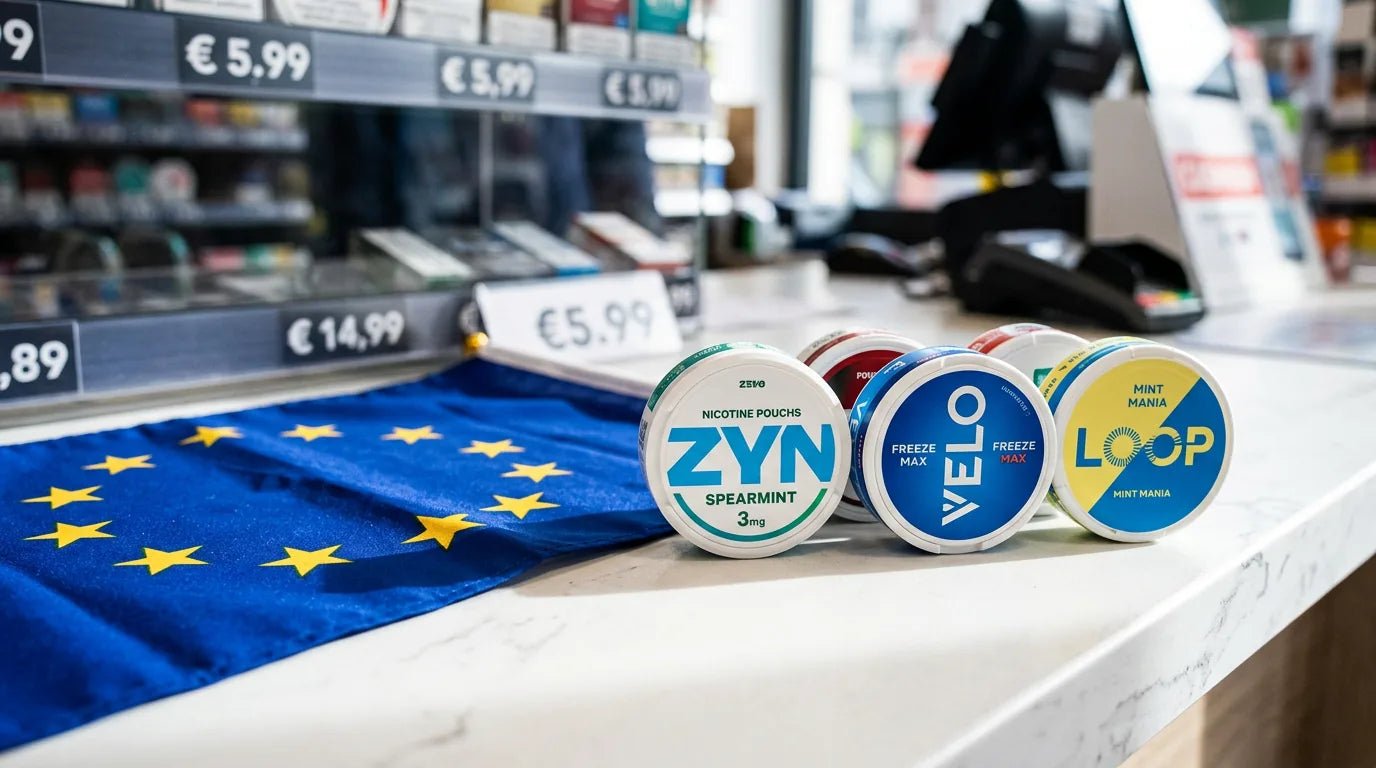
To put the Phase 2 rate in concrete terms: a standard can of ZYN, VELO, LOOP, or ZEUS weighs approximately 8–14 grams. At €143/kg, the minimum excise duty alone on a 10-gram can would be around €1.43 — a significant addition in markets where cans currently retail at €3.50–€5.50. The 50%-of-retail-price floor would be even more impactful on premium brands like C.R.E.A.M or LOOP.
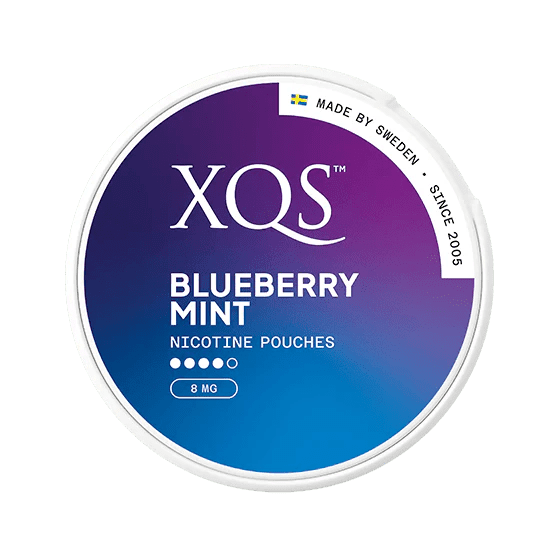
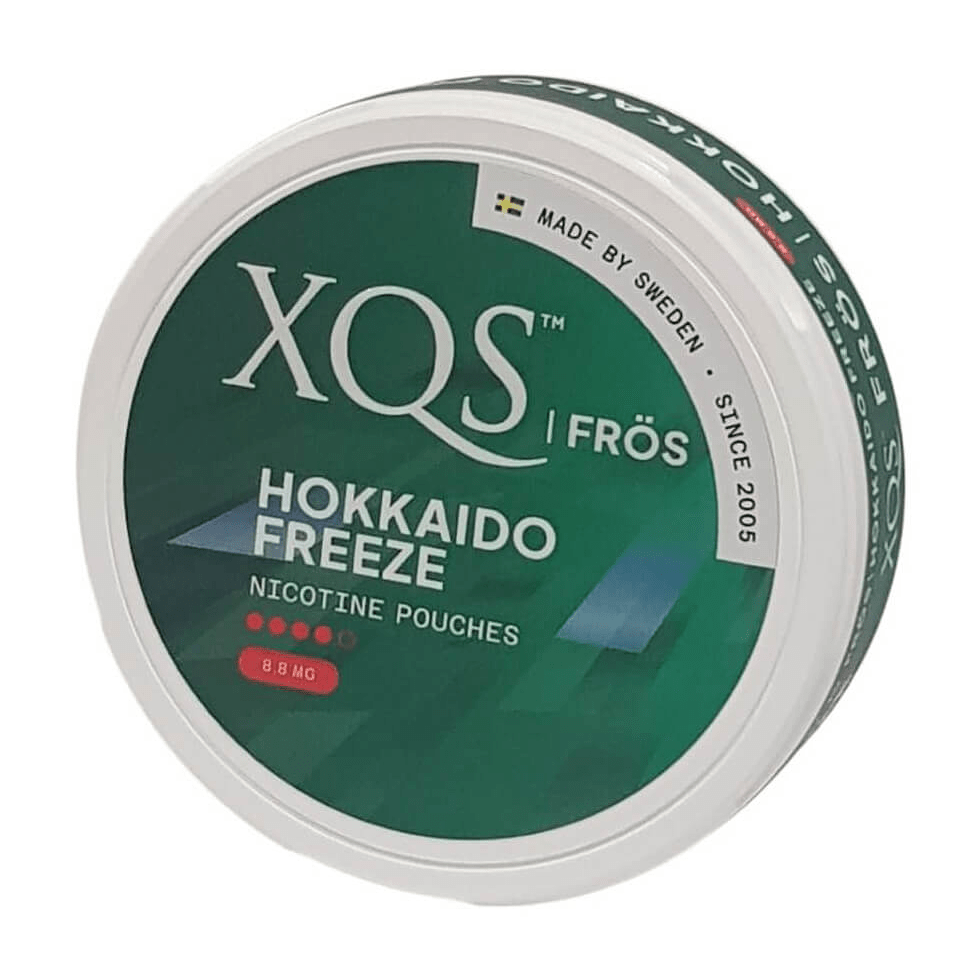
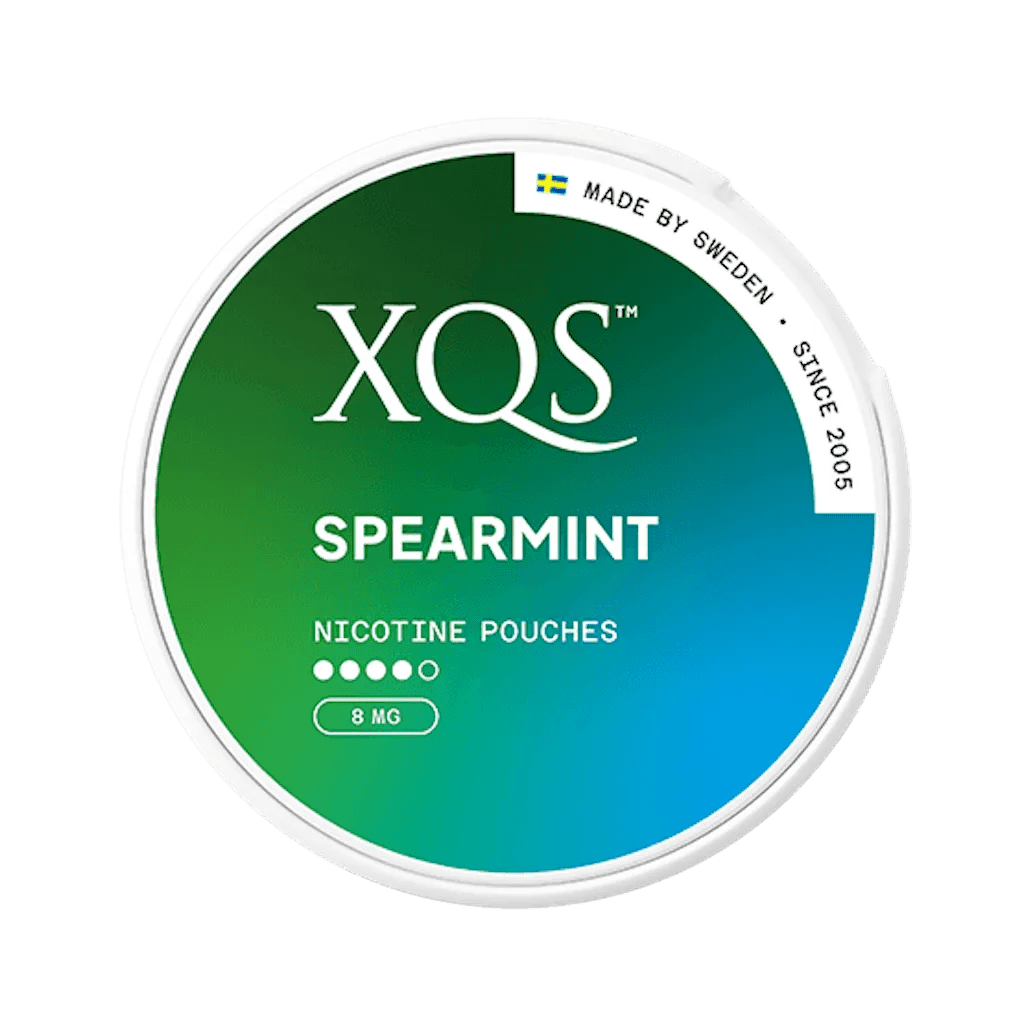
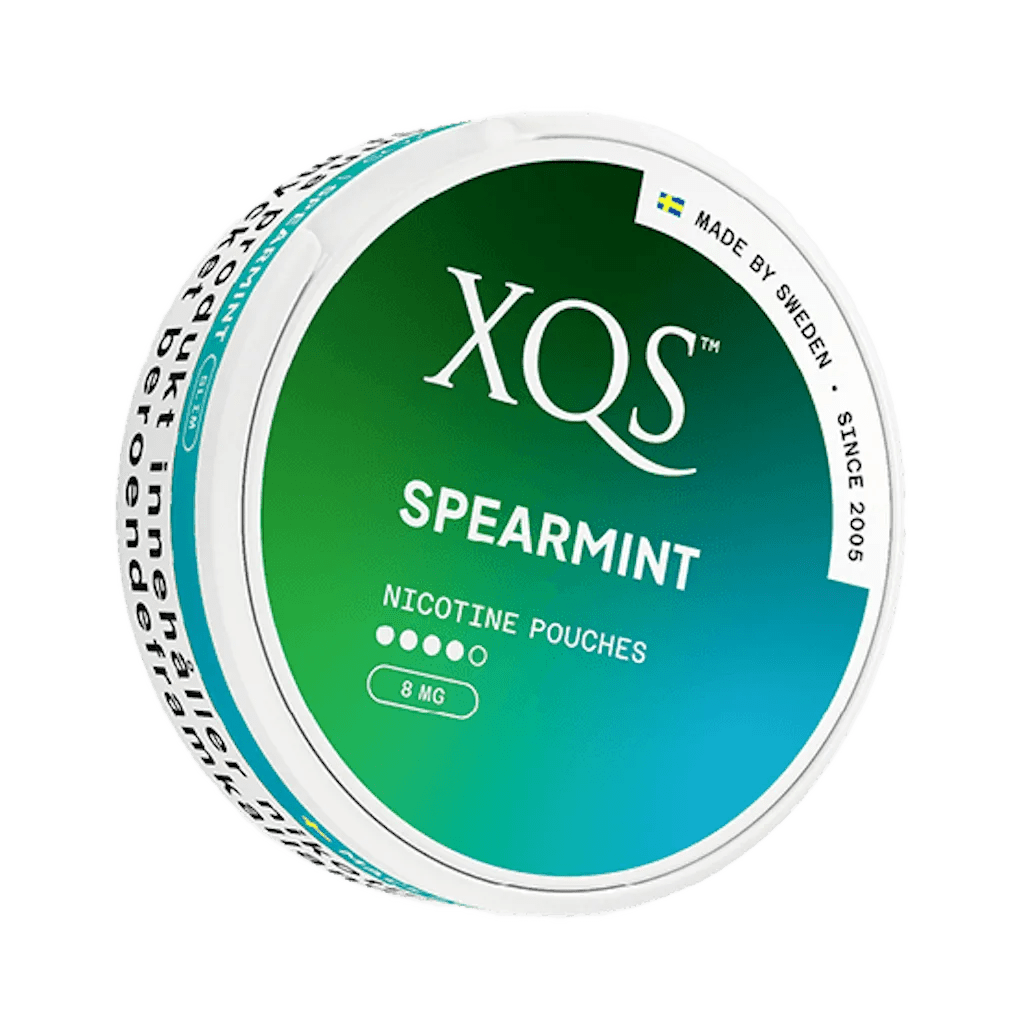
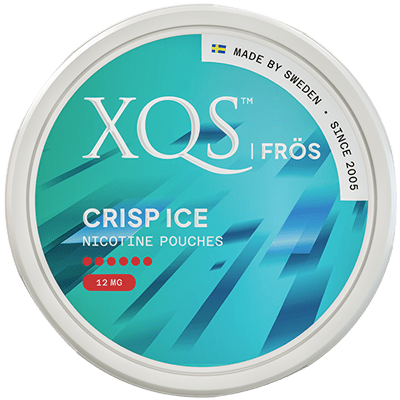
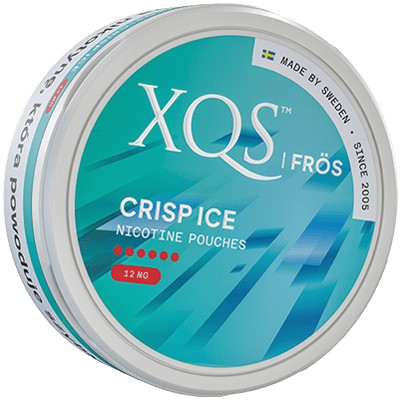
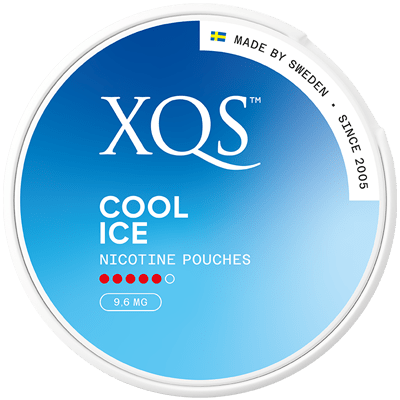
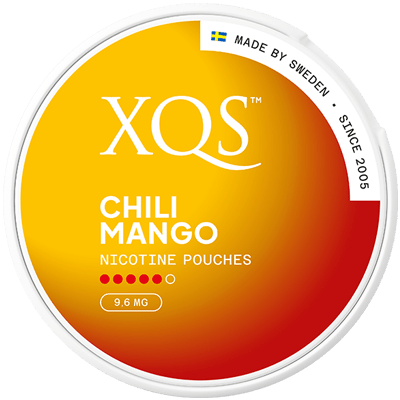
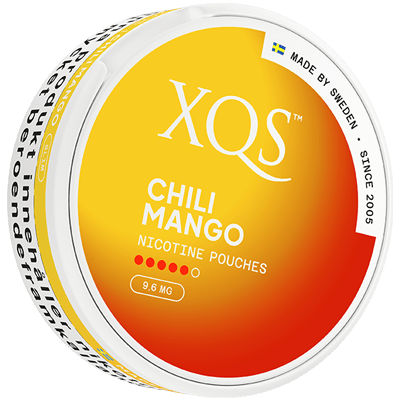
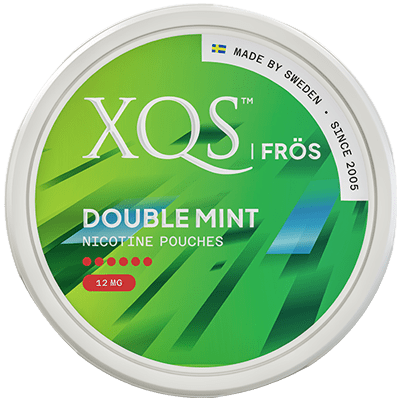
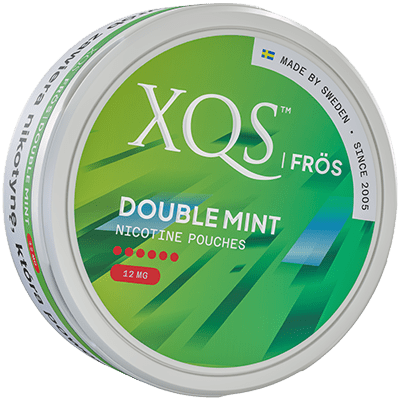
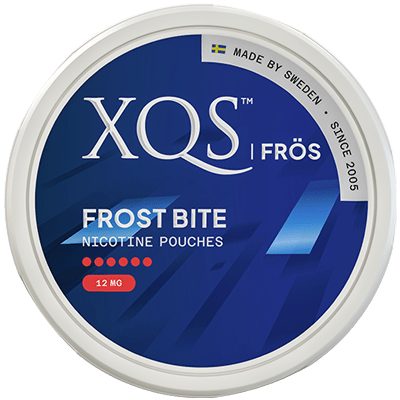
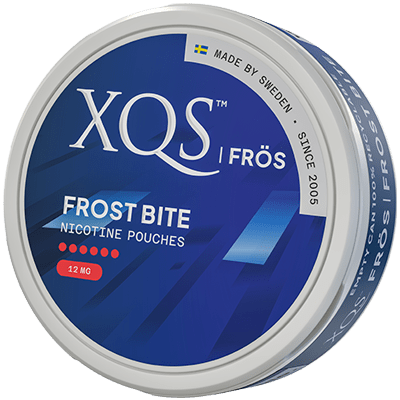
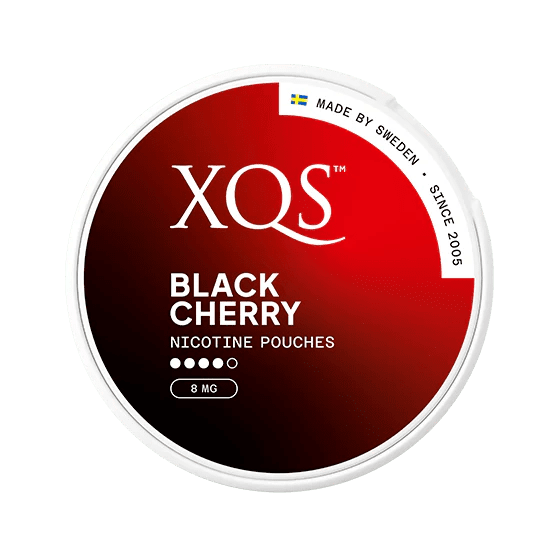
Budget options like XQS and KUMA — currently the most price-competitive cans in the market — would feel the proportionate impact most sharply, as their lower price point means less room to absorb a percentage-based minimum tax.
When Would These Changes Actually Take Effect?
Even if the directive is approved quickly, no new EU-wide nicotine pouch taxes arrive before 2030. The timeline works as follows:
- Council negotiations reach agreement (requires unanimous support from all 27 member states).
- European Parliament consultation completed.
- Directive formally adopted and published in the EU Official Journal.
- Directive enters into force 1 January 2028.
- Four-year transitional period for nicotine pouches: rates phase in gradually.
- Full minimum rates apply from 2030 (Phase 1) and 2032 (Phase 2).
Given that the proposal requires unanimous Council approval — a high political bar — and that several member states and many MEPs have already expressed strong objections, the timeline could easily slip. It is entirely plausible that the directive is amended, delayed, or that nicotine pouches are treated differently from the original proposal before final adoption.
Which EU Countries Already Tax Nicotine Pouches?
The proposed directive builds on a patchwork of existing national taxes. Here is the current picture across major EU markets:
| Country | National Excise on Pouches? | Notes |
|---|---|---|
| Sweden | Yes | Weight-based; among the lowest in absolute terms |
| Denmark | Yes | Nicotine content-based (approx. €0.055 per mg) |
| Italy | Yes (excise applies) | Significant tax; one reason Italian retail prices are higher |
| Germany | Yes | Regulated as tobacco-related; excise applied |
| Spain | No specific excise | General product safety rules; lower retail prices |
| Greece | No specific excise | Legal, general product safety, no pouch-specific tax |
| Poland | No specific excise | One of the largest growth markets; competitively priced |
| Czech Republic | No specific excise | 12 mg national strength cap; no excise specifically on pouches |
The EU-wide directive would create a common floor in all 27 member states — eliminating the pricing advantages that currently exist in lower-tax markets. Current prices at The Snus Outlet reflect today's pre-directive landscape.
Opposition and Uncertainty — Will the Directive Pass?
The November 2025 Parliament hearing was notably contentious. Multiple MEPs argued that the proposal fails to distinguish between products based on their relative health risk — taxing tobacco-free nicotine pouches at the same rate as combustible cigarettes, despite growing scientific evidence that pouches carry significantly lower risks.
MEP Marco Falcone (EPP, Italy) was among those pointing out this inconsistency. Industry voices, including Tobacco Europe, argued that harm-reduced products should face proportionately lower tax rates to incentivise smokers to switch away from cigarettes. The Danish Presidency of the Council prepared a first compromise text in December 2025, signalling that negotiations are active but unresolved.
The unanimous approval requirement is the biggest structural obstacle. Countries with large tobacco industries, different economic situations, or strong views on national taxation autonomy can — and historically do — block or fundamentally reshape EU directives of this type. The current proposal may not survive unchanged.
What This Means for Buyers Right Now
The practical answer is: nothing changes for buyers in 2026. Until the directive is adopted and the 2028 entry-into-force date arrives, nicotine pouch prices across the EU continue to be set by individual national markets and retailer competition — not EU-level excise floors.
Ordering from an EU-based online retailer like The Snus Outlet today means paying today's prices, with tracked EU delivery and no customs friction within the single market. If you want to stock up on outlet deals on ZYN, VELO, XQS, or KUMA at current rates, this is the window to do it. Free shipping on orders over €99.
Frequently Asked Questions
When will the EU start taxing nicotine pouches?
If the Tobacco Taxation Directive revision is adopted as proposed, EU-wide minimum excise duties on nicotine pouches would not begin until the four-year transitional period following the directive's entry into force on 1 January 2028. Full Phase 1 minimum rates (25% of retail price or €71.50 per kg) would apply from 2030. Given ongoing negotiations and the unanimous approval requirement, the timeline could shift.
Will nicotine pouches become more expensive in 2026 or 2027?
No EU-mandated price increases are expected in 2026 or 2027. The directive, if adopted, does not take effect until 2028 at the earliest. Some individual countries may adjust their own national taxes independently, but no EU-wide floor applies to pouches yet.
Does the EU excise directive affect online orders from EU retailers?
Not currently. Online orders between EU member states are governed by each country's existing national tax rules. The proposed directive would eventually create a common floor, but until it is adopted and implemented, cross-border EU purchases continue under current rules with no customs duties and no EU excise surcharge.
Is there a chance nicotine pouches will be exempted from the tax?
It is possible. Several MEPs and industry groups have pushed for a risk-proportionate approach that would tax pouches at a lower rate than combustible tobacco products. Whether this argument succeeds in the Council and Parliament negotiations remains to be seen. The unanimous approval requirement means that any single member state can block or significantly reshape the final outcome.
Are all nicotine pouch brands affected equally?
Yes — the proposed tax is based on weight (per kg) and retail price percentage, so it applies regardless of brand. ZYN, VELO, LOOP, C.R.E.A.M, ZEUS, XQS, and KUMA would all be within scope. Budget brands with lower per-can prices would feel the relative impact of the percentage-of-price floor more acutely than premium brands.
Final Thoughts
The EU excise proposal is real, it is moving through the legislative process, and it could meaningfully affect nicotine pouch pricing before the end of the decade. But the timeline is long, the approval hurdles are significant, and the current proposal may look very different by the time it reaches final adoption. For now, prices remain as they are.
Browse the full range at The Snus Outlet — every major brand, every strength, free shipping over €99.