
Ask most people whether nicotine causes inflammation and you'll get a confident "yes". But the science tells a much more nuanced — and frankly surprising — story. Nicotine, stripped of the thousands of combustion chemicals that come with cigarettes, has been shown in multiple peer-reviewed studies to activate one of the body's most powerful natural anti-inflammatory systems. So do nicotine pouches cause inflammation, or do they actually reduce it? The answer depends entirely on where in the body you're looking — and the research is well worth understanding. Browse lower-strength options at The Snus Outlet if you're managing sensitivity.
| Key Takeaways | |
|---|---|
| ✅ | Nicotine activates the body's cholinergic anti-inflammatory pathway — systemic markers like CRP are significantly lower in pouch users vs smokers |
| ✅ | The biggest inflammatory culprits in cigarettes (acrolein, benzene, formaldehyde) are completely absent in tobacco-free nicotine pouches |
| ⚠️ | Local oral inflammation is a real but manageable risk — nicotine's vasoconstriction can mask gum irritation; good oral hygiene is essential |
| ✅ | Lower-strength pouches (3–6mg) and regular rotation of pouch placement sites reduce local tissue exposure significantly |
| ✅ | Switching from smoking to pouches produces measurable reductions in systemic inflammation markers within weeks |
How Nicotine Interacts With Your Immune System
To understand inflammation and nicotine pouches, you first need to understand how nicotine interacts with the immune system at a molecular level. Nicotine is a potent ligand for nicotinic acetylcholine receptors (nAChRs) — receptor proteins found not just in the brain and nervous system, but throughout immune cells, the gut, and vascular endothelium. The most studied of these is the α7-nAChR (alpha-7 nicotinic acetylcholine receptor).
When nicotine binds to α7-nAChRs on macrophages — the immune cells responsible for triggering inflammatory cascades — it activates what scientists call the cholinergic anti-inflammatory pathway (CAP). This pathway suppresses the production of pro-inflammatory cytokines including TNF-α, IL-1β, and IL-6 — the very molecules that drive chronic systemic inflammation, joint pain, and inflammatory bowel disease. This mechanism is not a fringe theory; it is the basis of ongoing pharmaceutical research into nicotine-derived compounds as treatments for inflammatory conditions.
A comprehensive 2022 review published in Frontiers in Immunology (PMC8895249) analysed 20 years of nicotine inflammation research and concluded: "nicotine exerts much more anti-inflammatory effects than pro-inflammatory ones, especially in ulcerative colitis, arthritis, sepsis, and endotoxemia." That finding is about nicotine the molecule — not cigarettes, not tobacco, not combustion products. Pure nicotine.
Systemic Inflammation — The Surprising Science
Systemic inflammation is measured via biomarkers in the blood — most commonly C-reactive protein (CRP), interleukin-6 (IL-6), and fibrinogen. Elevated CRP is associated with cardiovascular disease, type 2 diabetes, autoimmune conditions, and accelerated ageing. Cigarette smoking is one of the most potent drivers of chronically elevated CRP in the population.
Here's where nicotine pouches diverge dramatically from cigarettes:
| Factor | Cigarettes | Nicotine Pouches |
|---|---|---|
| Combustion products | 7,000+ chemicals (acrolein, formaldehyde, benzene) | None |
| Carbon monoxide | Yes — displaces O₂, triggers oxidative stress | None |
| TSNAs (carcinogens) | High levels | None (tobacco-free) |
| Nicotine (α7-nAChR) | Yes — partially anti-inflammatory | Yes — anti-inflammatory effect preserved |
| CRP effect | Strongly pro-inflammatory (+50–150% CRP elevation) | Minimal to neutral |
| IL-6 effect | Elevated chronically | No meaningful elevation |
| Oral mucosa damage | Direct thermal and chemical damage | Mechanical pressure only |
The pro-inflammatory damage from cigarettes comes overwhelmingly from combustion chemistry — not from nicotine itself. When you remove combustion (as pouches do entirely), the remaining nicotine molecule retains its α7-nAChR-mediated anti-inflammatory properties without the catastrophic inflammatory load of smoke toxins. This is supported by research from the NHS, which documents significant improvements in inflammatory markers when smokers transition to nicotine replacement products.
The Ulcerative Colitis Connection
One of the most striking and counterintuitive findings in inflammation science is the relationship between nicotine and ulcerative colitis (UC). UC is a chronic inflammatory bowel disease characterised by severe intestinal inflammation. Epidemiological studies have consistently shown that non-smokers have higher rates of UC than smokers — a finding so robust and reproducible that nicotine patches have been studied as an actual treatment for UC flares.
The mechanism is the same: α7-nAChR activation in intestinal immune cells suppresses mucosal inflammation. This is not a recommendation to use nicotine pouches for colitis management — clinical consultation is essential — but it illustrates that nicotine's systemic anti-inflammatory profile is real, measurable, and biologically well-understood. The same α7-nAChR pathway activated in the gut is active throughout the body's immune network.
Nicotine pouches deliver nicotine via oral mucosa absorption — a pathway that reaches systemic circulation and therefore engages this same pathway, without the GI disruption or pulmonary damage of other delivery methods.
Local Oral Inflammation: The Real Risk to Understand
The picture changes when we zoom in to the local oral environment. Here, nicotine's effects are more complex and the risk is real — though still manageable with basic oral hygiene habits. The same Frontiers in Immunology review notes: "in oral inflammation, nicotine promotes and aggravates some diseases such as periodontitis and gingivitis, especially when there are harmful microorganisms in the oral cavity."
The specific mechanisms at play locally:
- Vasoconstriction: Nicotine constricts blood vessels in gum tissue, reducing blood flow. This can mask the classic signs of gum inflammation (redness, swelling, bleeding) — the clinical concern being that underlying disease progresses silently. This is not unique to pouches; it's a documented effect of all nicotine delivery methods.
- Mechanical pressure: A pouch placed in the same spot repeatedly creates sustained pressure against gum tissue. Rotating placement between upper and lower lip, and left and right sides, distributes this stress and prevents focal irritation.
- Moisture and pH changes: The alkaline pH environment created by some pouches (particularly higher-moisture moist formats) can slightly alter the oral microbiome if pouches are used very frequently for long periods.
It is critical to note: the research on nicotine pouches specifically (PMID 34521741) shows the mucosal irritation profile is significantly lower than for traditional snus, moist snuff, or chewing tobacco — all of which involve direct tobacco contact with tissue. Tobacco-free pouches eliminate the tobacco carcinogens and direct tissue toxicity entirely. The residual local risk from pouches relates to nicotine's vasoconstriction and mechanical irritation — manageable issues, not catastrophic ones.
Does Strength or Brand Matter for Inflammation?
In terms of systemic inflammation, the evidence does not suggest meaningful differences between brands or strengths at typical recreational doses. The anti-inflammatory α7-nAChR effect is dose-dependent but does not require high doses — even low-strength pouches engage this pathway.
For local oral inflammation risk, however, strength and format do matter:
- Higher-strength pouches (16–25mg) used for extended sessions deliver more prolonged vasoconstriction to gum tissue. Users of ZEUS Ultra Strong (25mg), KUMA, or Killa Extra Strong should limit session duration and rotate placement more frequently than users of lower-strength products.
- Dry/slim format pouches (ZYN Mini Dry, White Fox Slim) produce less saliva stimulation and typically cause less moisture-driven tissue change than moist formats.
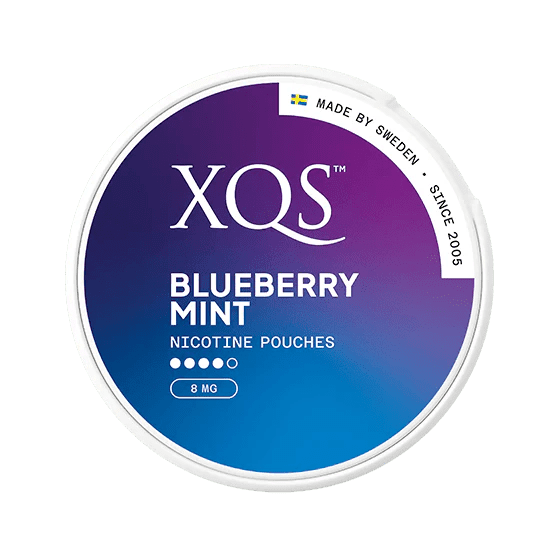
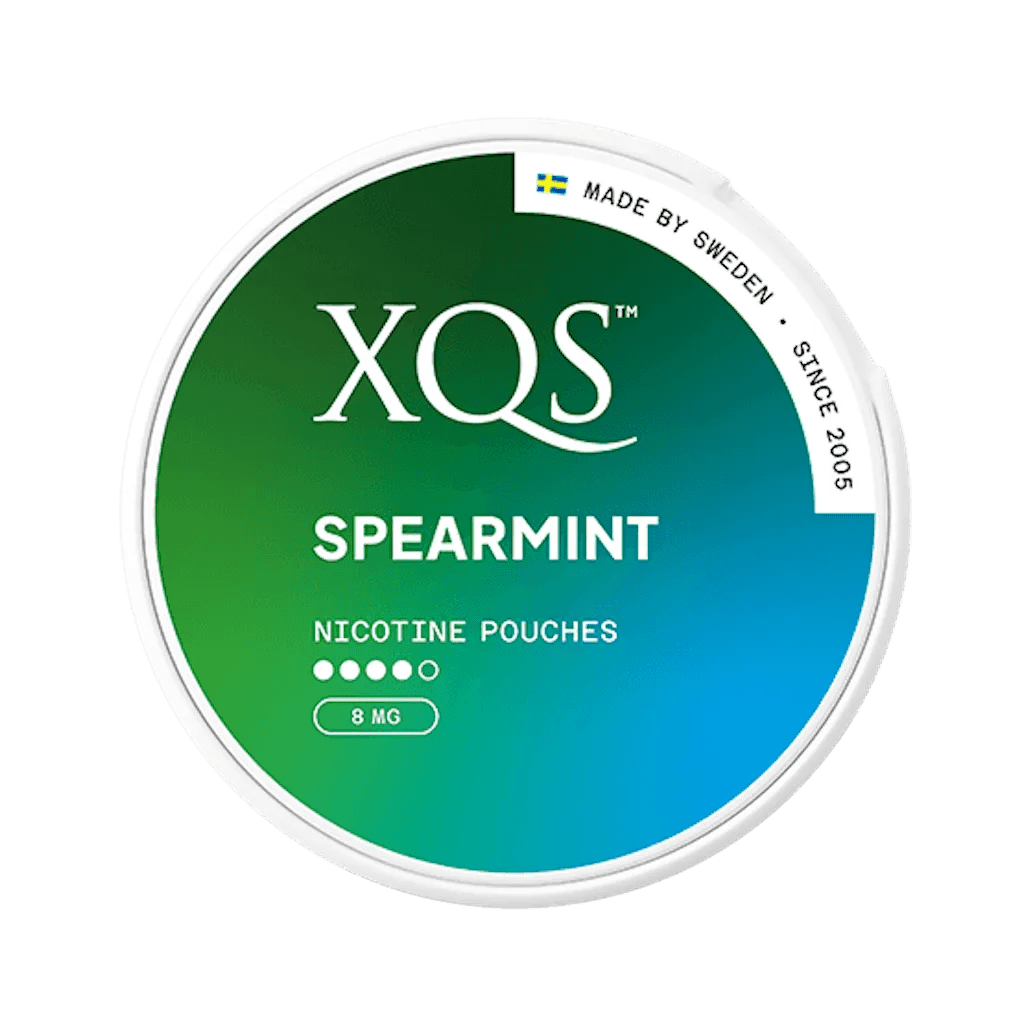
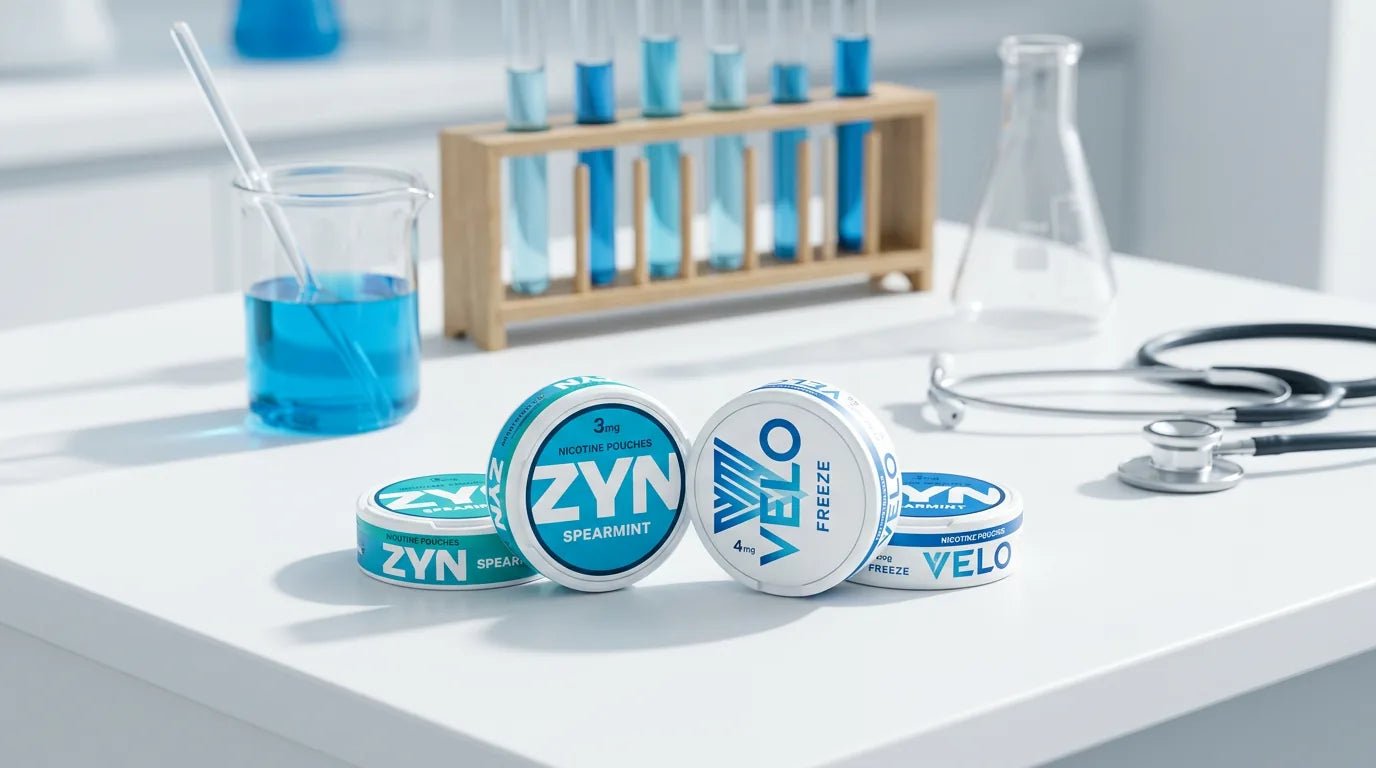
- Lower-strength options (3–6mg ZYN, VELO, XQS) carry the lowest local tissue exposure overall. Light nicotine pouches at The Snus Outlet cover the 3–6mg range from multiple brands.
| Brand / Strength | Systemic Inflammation Risk | Local Oral Risk | Best Practice |
|---|---|---|---|
| ZYN 3–6mg | Minimal | Low | Standard 30–45 min sessions |
| VELO 4–7mg | Minimal | Low | Standard 30 min sessions |
| LOOP 9.4mg | Minimal | Low–Moderate | Rotate placement; max 2/day at same site |
| XQS 6–12mg | Minimal | Low–Moderate | Standard rotation protocol |
| KUMA / Killa 13–25mg | Minimal | Moderate | Limit session duration, rotate always |
| ZEUS Ultra Strong 25mg | Minimal | Moderate–High | Max 4–5 pouches/day, strict rotation |
5 Practical Tips to Minimise Inflammation Risk
Based on the science, here are five evidence-informed habits that meaningfully reduce inflammation risk when using nicotine pouches:
- Rotate your placement site every session. Upper left, upper right, lower left, lower right — distributing pressure prevents any single area of gum tissue from receiving sustained vasoconstriction or mechanical stress.
- Brush and floss twice daily. The vasoconstriction effect of nicotine can mask bleeding gums, so maintain rigorous oral hygiene even if you don't notice obvious symptoms. The WHO oral health framework recommends fluoride toothpaste and flossing as baseline protection for all adults.
- Choose the lowest effective strength. If 6mg provides the effect you need, there is no benefit — and some additional local risk — in using 16mg. Start low; step up only if required.
- Limit session duration to 30–45 minutes. Extended sessions beyond 60 minutes don't significantly increase nicotine delivery (the mucosa saturates) but do extend the period of vasoconstriction in gum tissue.
- Stay hydrated. Dry mouth increases oral bacterial load and reduces the saliva-based buffering that protects gum tissue. Drink water throughout the day, particularly if you're using pouches frequently.
FAQ: Nicotine Pouches and Inflammation
Do nicotine pouches cause systemic inflammation like cigarettes do?
No. The pro-inflammatory damage from cigarettes comes from combustion chemicals — acrolein, formaldehyde, benzene, carbon monoxide — none of which are present in tobacco-free nicotine pouches. Nicotine itself activates the anti-inflammatory α7-nAChR pathway. Systemic inflammation markers (CRP, IL-6) are dramatically lower in pouch users than in smokers, and switching from smoking to pouches produces measurable improvements within weeks.
Can nicotine pouches cause gum inflammation?
Nicotine's vasoconstriction effect reduces blood flow to gum tissue and can mask signs of inflammation — meaning gum disease may progress silently. This is a real but manageable risk, mitigated by rotating pouch placement, maintaining twice-daily oral hygiene, and using lower-strength pouches. It is significantly less severe than the direct chemical damage caused by tobacco products.
Is nicotine anti-inflammatory? How?
Yes, nicotine has well-documented anti-inflammatory properties through its activation of α7-nAChRs on macrophages and other immune cells. This triggers the cholinergic anti-inflammatory pathway, which suppresses TNF-α, IL-1β, and IL-6 production. This mechanism has been studied as a therapeutic target for ulcerative colitis, arthritis, and sepsis. The 2022 Frontiers in Immunology review (PMC8895249) is the most comprehensive current summary of this evidence.
Which nicotine pouches are least likely to cause inflammation?
Lower-strength pouches (3–6mg) in dry or slim formats carry the lowest local oral tissue exposure. ZYN 3mg Mini Dry, VELO 4mg, and XQS 6mg are good options for users concerned about minimising oral tissue impact. For all strengths, regular placement rotation is more important than brand choice.
If I switch from smoking to nicotine pouches, will my inflammation levels improve?
Yes, significantly. The vast majority of smoking-related systemic inflammation comes from combustion products, not nicotine. Removing combustion while maintaining nicotine (via pouches, patches, or gum) produces measurable CRP reductions within weeks. NHS-cited research supports nicotine replacement as a harm-reduction strategy that includes inflammatory benefit over continued smoking.
Final Thoughts
The science on nicotine pouches and inflammation is more nuanced — and more reassuring — than most people expect. Systemic inflammation from pouches is minimal, and nicotine itself carries genuine anti-inflammatory properties at the molecular level. The genuine risk is local oral health: vasoconstriction can mask gum disease, so rotation and hygiene are non-negotiable. Compared to cigarettes, pouches represent a dramatic reduction in the inflammatory burden on your body. Stock up on your preferred brand — with free EU shipping over €99 at The Snus Outlet, it's easy to keep a healthy rotation going.