

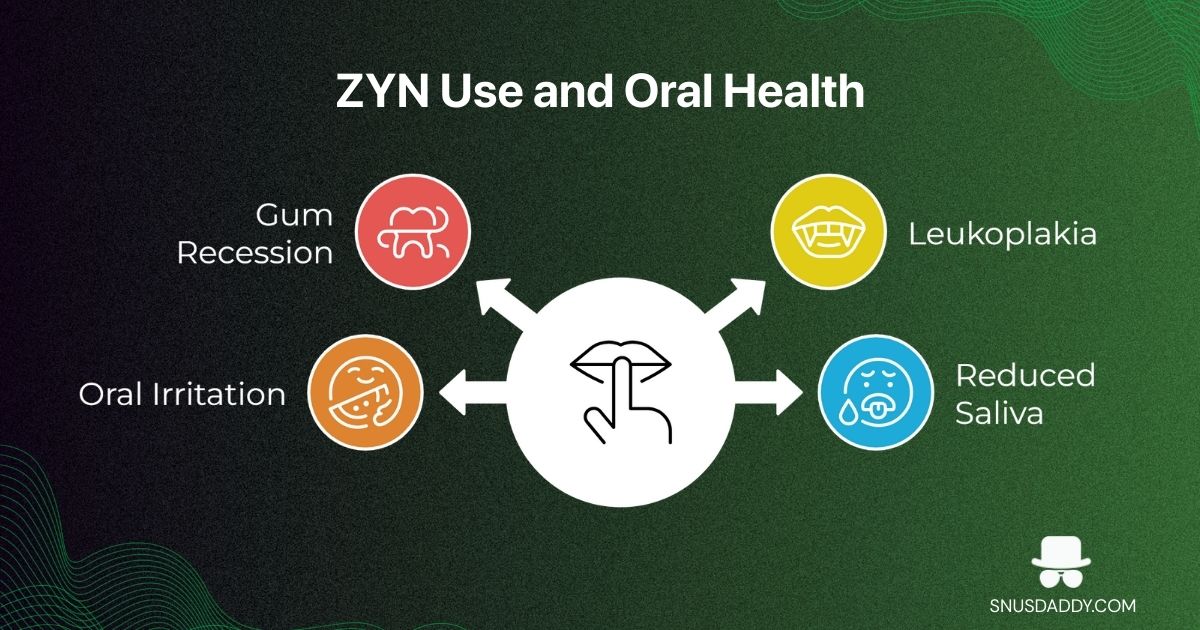
- Rotating placement is the single most effective way to prevent gum irritation — never park a pouch in the same spot all day.
- Keep sessions to 20–40 minutes maximum and remove the pouch once the flavour and nicotine are spent.
- Step down one strength level if you experience persistent soreness — lower mg means less concentrated tissue exposure.
- Stay hydrated and maintain regular oral hygiene — a soft-bristle brush and alcohol-free mouthwash make a significant difference.
- Mild gum irritation from pouches is largely reversible when usage habits are adjusted early.
Gum soreness is the most common complaint among new nicotine pouch users — and one of the most preventable. Most of the time it comes down to technique, not the product itself. This guide covers exactly how to avoid gum irritation from nicotine pouches, what causes it in the first place, and what to do if you are already experiencing discomfort.
Why Nicotine Pouches Can Irritate Your Gums
The gum irritation associated with nicotine pouches comes from three overlapping factors: direct contact, nicotine's effect on blood flow, and repetition in the same spot. Understanding each one helps you manage the risk intelligently.
Direct contact is unavoidable — the pouch sits against the gum lining by design, and that contact allows nicotine to absorb. But the gum tissue is sensitive. Prolonged contact with the pouch's nicotine salts, flavouring agents, and moisture creates a localised chemical environment that can irritate the tissue if it is not given time to recover.
Nicotine constricts blood vessels — it is a vasoconstrictor. This temporarily reduces blood flow and oxygen delivery to the gum tissue at the placement site, which slows the tissue's natural ability to manage inflammation and heal minor irritation. For most healthy users with good hygiene habits, this effect is manageable. For users who stack multiple pouches in the same spot without breaks, the cumulative impact compounds.
Repetition without rotation is the root cause of most gum problems reported by long-term users. Placing every pouch in exactly the same groove, day after day, means that one patch of gum tissue never gets a recovery window. The result is chronic localised irritation — redness, tenderness, and in more advanced cases, tissue changes at the placement site.
The 6 Habits That Prevent Gum Irritation
1. Rotate your placement — every single pouch
This is the most important habit by a wide margin. Alternate between front-left, front-centre, and front-right positions under your upper lip, giving each area a rest between sessions. Upper lip placement is preferred over lower — the upper gum area has fewer salivary glands, which means less excess saliva and a more stable absorption environment. According to The Private Dental Group (UK), rotating placement is one of the most effective strategies for reducing localised gum stress from regular pouch use.
2. Limit session length to 20–40 minutes
Most pouches are designed to release their nicotine and flavour over 20–40 minutes. Once the flavour has faded and the nicotine release is spent, remove the pouch rather than leaving it in. Extended contact past the active phase adds unnecessary tissue exposure without additional benefit. Never sleep with a pouch in — overnight contact is the most reliable way to wake up with sore, irritated gums.
3. Step down your strength if irritation appears
Higher-strength pouches mean more concentrated nicotine and flavouring agents at the contact site. If you are experiencing persistent soreness, dropping one strength tier is often enough to resolve it. A ZYN 11mg user experiencing irritation might switch to ZYN 6mg for two weeks while the tissue recovers. VELO, LOOP, and XQS all offer multiple strength options — The Snus Outlet stocks the full range so you can find your optimal level.
4. Stay hydrated throughout the day
Dry mouth increases the risk of irritation. Saliva is the mouth's natural buffer — it neutralises pH, washes away residual compounds, and supports tissue health. Both nicotine and dehydration reduce saliva production, so staying well-hydrated is directly protective. Drink water regularly between sessions, and avoid very acidic or carbonated drinks immediately before and during pouch use — the combination of carbonation and pouch contact can intensify gum sensitivity.
5. Maintain active oral hygiene
A clean mouth handles pouch use significantly better than one with existing gum inflammation or plaque buildup. Brush twice daily with a soft-bristle brush, paying particular attention to the gumline where pouches sit. Floss daily. Use an alcohol-free antimicrobial mouthwash — the alcohol-free distinction matters, because alcohol-based mouthwashes dry out oral tissue and can exacerbate gum sensitivity. A dental check-up every 6 months lets a professional spot early changes before they become significant.
6. Do not chew or move the pouch
Nicotine pouches are designed to sit still. Chewing or repositioning the pouch mid-session tears the pouch material and causes a sudden release of concentrated nicotine — a sharp, burning sensation that is unpleasant and hard on the tissue. Place it once, leave it in position, and let it work passively. If the position becomes uncomfortable, remove it rather than fussing with it.
Warning Signs to Watch For
Mild initial sensitivity when first starting pouches is very common — the tissue is adjusting to a new stimulus. This typically settles within 5–10 days. The signs that require a change in habits are different:
| Warning Sign | What It Means | Action |
|---|---|---|
| Persistent redness at one spot | Overexposure at fixed placement site | Rotate placement, give that area 48–72 hours rest |
| White patch on gum surface | Localised tissue reaction to contact | Rest gums, see dentist if it persists beyond 2 weeks |
| Swelling or tenderness | Inflammation — typically from same-spot overuse | Step down strength, rotate, reduce daily volume |
| Teeth appearing longer in one area | Possible localised gum recession | Discontinue pouch use in that area, consult dentist |
| Soreness lasting 2+ weeks unchanged | Tissue not recovering adequately | Take a full break from pouches, see dental professional |
The Good News: Irritation Is Largely Reversible
If you catch gum irritation early and adjust your habits, the tissue recovers well. A pilot study published by the Centre of Excellence for the Acceleration of Harm Reduction (COEHAR) found that even moderate gum lesions from oral nicotine products showed significant improvement when users changed their products and habits — gingival irritation decreased by 90% in study participants over five weeks, and severe lesions disappeared entirely in most cases.
The practical takeaway: if your gums are sore, the situation is not permanent. Adjust your rotation, reduce your strength, improve your hygiene, and give your gums 1–2 weeks. Most users report that sensitivity settles significantly within that window.
Which Brands Are Gentler on Gums?
Pouch format and moisture level play a role in how tissue-friendly a product is. Generally speaking:
- Slim, moist pouches (VELO, LOOP) sit more softly against the gum and generate less friction than dry pouches.
- ZYN's dry mini format is very discreet but can feel more concentrated at the contact point — especially in higher strengths. ZYN at 3mg or 6mg is one of the gentlest options available.
- Strong mint and citrus flavours (high menthol, high citrus oil) can feel more intense on sensitive gums. If irritation is an issue, try an unflavoured or lightly flavoured option like ZEUS Original or XQS Mellow.
- C.R.E.A.M and KUMA at lower strengths offer softer flavour profiles that are easier on recovering tissue.
Browse the full range at The Snus Outlet — all major brands across every strength, with outlet deals up to 60% off and free EU delivery over €60.
FAQ: Nicotine Pouch Gum Irritation
How long does gum irritation from nicotine pouches last?
Initial sensitivity for new users typically resolves within 5–10 days as the tissue adapts. Irritation caused by poor habits (same-spot overuse, excessive session length) can take 1–3 weeks to settle if habits are corrected promptly. If soreness persists beyond 3 weeks without improvement, consult a dental professional.
Should I take a break from pouches if my gums are sore?
A 24–48 hour break from the affected area — without stopping pouches entirely if you do not want to — is a good starting point. Rinse with warm salt water to soothe the tissue. If you continue, avoid placing pouches on or near the sore spot until it has fully recovered. A complete break of several days is reasonable if the irritation is more significant.
Does a lower-strength pouch cause less gum irritation?
Yes — lower nicotine concentrations mean less concentrated exposure at the contact site, and many users find a noticeable difference in comfort when stepping from 12–16mg down to 6–9mg. The flavouring intensity also affects the experience — bold mint or citrus can amplify sensitivity in an already-irritated area.
Is it normal for gums to tingle when I first use a nicotine pouch?
Yes. A mild tingling sensation during the first few minutes of a fresh pouch is normal — it is the nicotine and flavouring agents beginning to release. This is distinct from burning or sharp pain, which signals the pouch is either too strong, placed with too much pressure, or contacting already-irritated tissue.
Can I use nicotine pouches if I already have gum disease?
This is a conversation to have with your dentist. Nicotine reduces blood flow to gum tissue, which can slow healing and mask signs of existing gum disease. If you have active periodontitis or significant recession, your dentist is the right person to advise on whether pouch use is appropriate for your specific situation.
Final Thoughts
Gum irritation from nicotine pouches is common, manageable, and largely preventable with the right habits. Rotate your placement, keep sessions short, step down if needed, and stay hydrated. Most users who develop gum discomfort are placing every pouch in exactly the same groove without giving the tissue any recovery time. Change that one habit and the difference is usually felt within a week.
Want to explore gentler options at lower strengths? Shop The Snus Outlet — ZYN, VELO, LOOP, C.R.E.A.M, ZEUS, XQS, KUMA and more. Full strength range, free EU shipping over €99, outlet deals up to 60% off.